
BLOG
Nativität: History, Meaning, and Modern-Day Influence


Nativität remains one of the most enduring and meaningful traditions in global culture. Though rooted in the Christian celebration of the birth of Jesus Christ, the concept has grown far beyond its biblical origins. Today, it represents hope, unity, generosity, and the beauty of new beginnings. From ancient symbolism to contemporary artistic expression, Nativität continually evolves while holding close to its timeless essence.
What Is Nativität?
At its core, Nativität refers to the Nativity—the birth of Jesus Christ in Bethlehem. The moment symbolizes the arrival of divine love in human form, a spiritual event that transformed Christian history. While the religious meaning remains central for many, Nativität has also become a cultural and emotional touchstone. It captures themes of renewal, compassion, and the shared joy of welcoming something pure into the world.
Nativität today is expressed through rituals, storytelling, and artistic tributes. For families, it is a season of reflection, gratitude, and togetherness, reminding people of values that never fade.
The Significance of Nativität
The significance of Nativität stretches far beyond its biblical story. It symbolizes humanity’s longing for hope in times of difficulty. The narrative of a child born in a humble setting resonates with people from all walks of life. It serves as a gentle reminder that greatness often springs from unexpected beginnings.
This celebration inspires generosity—encouraging individuals and communities to practice kindness, share blessings, and uplift others. Its core themes of humility, love, and forgiveness continue to guide traditions around the world.
The Nativity Story
The Nativity Story remains one of the most cherished and retold narratives in history. Mary and Joseph’s journey from Nazareth to Bethlehem, the search for shelter, and the birth of Jesus in a simple stable form the heart of the story. Angels announce the miracle to shepherds, and wise men travel to honor the newborn with symbolic gifts.
Each element of the story embodies powerful spiritual themes:
Humility through the stable,
Guidance through the star,
Reverence through the wise men,
Peace through the angels’ message.
This narrative continues to influence literature, visual art, music, and community traditions worldwide.
How We Celebrate Nativität Today
Modern celebrations of Nativität blend historical rituals with contemporary creativity. Families often display nativity scenes called crèches, featuring the holy family, shepherds, animals, and the star. Many communities stage live nativity performances that bring the story to life for younger generations.
Homes glow with lights, carolers visit neighborhoods, and charity events encourage giving. The combination of spirituality, festivity, and generosity keeps the essence of Nativität alive in a fast-changing world.
Nativität as a Source of Inspiration
Nativität is a constant source of inspiration for artists, writers, musicians, and filmmakers. Its themes foster creativity across countless generations. Painters explore the emotional intimacy of the stable scene, musicians compose carols celebrating peace and wonder, and poets find meaning in the universal longing for hope.
Even outside religious contexts, the imagery of new beginnings and divine light inspires people to reflect, dream, and reconnect with their inner purpose.
The Global Influence of Nativität
While Nativität is rooted in Christian tradition, its influence spans continents and cultures. European towns celebrate with Christmas markets, Latin American countries incorporate colorful processions and reenactments, and African communities blend local rhythms with nativity storytelling.
Across Asia, Africa, and Oceania, Nativität often merges with indigenous traditions, creating celebrations unique to each region. This global adaptation demonstrates how a single narrative can unite people through shared themes of joy, compassion, and renewal.
Lessons We Can Learn from Nativität
Nativität teaches meaningful life lessons that remain relevant today:
Humility: Greatness may emerge from simple circumstances.
Compassion: The story encourages care for the vulnerable.
Unity: Communities come together regardless of background.
Hope: It reminds us that light can appear even in moments of darkness.
These messages carry emotional weight in a world seeking peace and understanding.
Nativität in Art and Culture
Artistic interpretations of Nativität have shaped cultural history for centuries. From Giotto’s early frescoes to contemporary digital installations, artists have used the Nativity as a canvas for exploring human emotion, devotion, and beauty.
Music reflects this influence through timeless carols such as Silent Night and O Holy Night, while films and books reinterpret the story for new generations. Each artistic expression keeps the narrative relevant, accessible, and emotionally resonant.
Teaching Children About Nativität
Teaching children about Nativität can be both educational and joyful. Families often use illustrated books, nativity figurines, and interactive crafts to explain the story. Singing carols and creating decorations help children understand the message of love and generosity.
Parents can also discuss the values within the story—kindness, sharing, gratitude, and empathy—building a foundation for emotional and spiritual development.
Why Nativität Still Matters
In a fast-moving world, Nativität offers grounding. It encourages reflection during a season often overshadowed by consumerism. Its message reminds people of what truly matters: connection, compassion, and hope.
For many, it is a spiritual anchor. For others, it is a cultural celebration that strengthens family and community bonds. Either way, the relevance of Nativität endures.
Modern Interpretations of Nativität
Contemporary interpretations of Nativität seek to make the story more inclusive and relatable. Artists and storytellers explore themes such as social justice, environmental care, and cultural diversity through the Nativity lens. This modern approach appeals to younger audiences who appreciate traditions with renewed meaning.
In multicultural societies, Nativität celebrations now weave together global customs, shared values, and modern creativity—showing that the story can evolve while remaining timeless.
Conclusion
Nativität continues to thrive as a symbol of hope, love, and renewal. Its historical depth and modern versatility make it a celebration that transcends cultures and generations. Whether through art, family traditions, storytelling, or acts of kindness, Nativität remains a powerful reminder of humanity’s capacity for compassion.

The concept of a Taxonomist has evolved in the digital era to represent not just a professional categorizer but a critical architect of structured knowledge in online systems. In an age where data is abundant, organizing, labeling, and structuring information has become essential for discovery, usability, and meaningful digital interaction. Digital taxonomists shape the way information is stored, retrieved, and understood across platforms, websites, and knowledge-based systems.
What Is a Taxonomist in the Digital Age?
A Taxonomist is a specialist who organizes information into structured categories, hierarchies, and relationships to make digital content more navigable and meaningful. Beyond physical libraries or archives, digital taxonomists work on websites, knowledge management systems, and online platforms.
In broader terms, digital taxonomists focus on:
- Structuring content for easy retrieval
- Creating hierarchies and classifications
- Establishing metadata and tagging systems
- Enhancing search and navigation
- Supporting data-driven decision-making
This role is crucial for making sense of complex digital ecosystems.
The Philosophy Behind Digital Taxonomy
Digital taxonomy rests on three core principles:
Organization
Information must be systematically categorized to improve accessibility and usability.
Consistency
Standards, naming conventions, and rules ensure uniformity across digital platforms.
Discovery
Structured knowledge enables users to find information efficiently and accurately.
Together, these principles allow digital ecosystems to function more effectively.
Taxonomist in the Digital Knowledge Ecosystem
Modern digital platforms rely heavily on organized content. Taxonomists contribute by:
- Creating intuitive navigation structures
- Designing metadata schemas for search optimization
- Categorizing content for recommendation systems
- Supporting AI and machine learning applications through structured datasets
- Enhancing user experience by improving content discoverability
This makes structured knowledge central to online engagement.
Benefits of Digital Taxonomy
For organizations and platforms, taxonomy offers:
- Improved searchability and navigation
- Better content management
- Enhanced analytics and insights
- Consistency across digital ecosystems
- Scalable organization for growing data sets
For users, taxonomy ensures content is easier to find and understand.
The Evolution of Taxonomy in the Digital Era
Traditional Taxonomy
Originally focused on libraries, archives, and physical classification.
Early Digital Adoption
Websites began using categories, tags, and metadata for content organization.
Modern Digital Taxonomy
Integration with AI, semantic search, and knowledge graphs allows dynamic and adaptive information structures.
This evolution reflects the growing complexity of digital knowledge management.
Taxonomy and Digital Identity
Taxonomists also influence platform identity by structuring information around user needs. Well-designed taxonomy improves:
- User engagement
- Search engine optimization (SEO)
- Personalized content delivery
- Knowledge management within organizations
- Cross-platform interoperability
Digital identity and structured content are intertwined through taxonomy.
The Future of Digital Taxonomy
As information continues to grow, the role of taxonomists will expand:
- AI-assisted automated classification
- Dynamic and adaptive knowledge structures
- Enhanced semantic search and discovery
- Integration with virtual and augmented reality environments
- Data-driven insights for smarter decision-making
These developments highlight the importance of structured knowledge in shaping the digital world.
Conclusion
Taxonomists play a pivotal role in organizing and structuring knowledge in the digital age. By creating consistent, navigable, and discoverable information systems, they enable platforms, organizations, and users to interact meaningfully with data. As the volume and complexity of digital content continue to grow, the work of taxonomists will remain central to efficient, intelligent, and user-friendly digital ecosystems.
FAQ’s
1. What is a digital taxonomist?
A professional who organizes and structures digital content to improve usability, searchability, and discovery.
2. Why is digital taxonomy important?
It ensures information is accessible, organized, and usable across platforms and systems.
3. How does taxonomy improve user experience?
By creating intuitive navigation, clear hierarchies, and consistent labeling for content.
4. Who benefits from digital taxonomy?
Organizations, platforms, content creators, and end-users all benefit from structured knowledge.
5. Will the role of taxonomists evolve?
Yes, with AI, semantic web, and adaptive digital systems, taxonomists will continue to shape how information is organized and accessed.
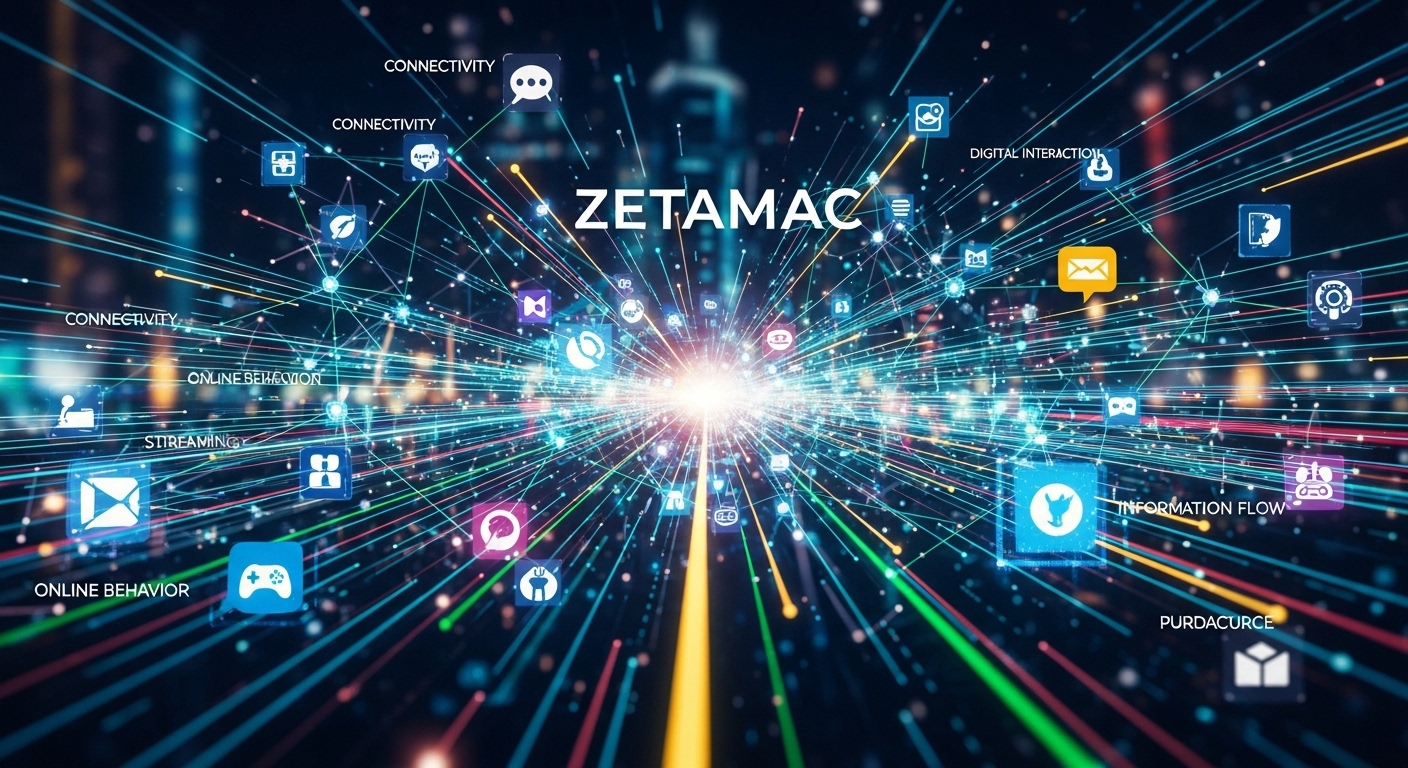
Zetamac is a contemporary digital concept that reflects how online interaction, community engagement, and platform-based communication are evolving in a connected world. As digital ecosystems grow increasingly complex, Zetamac represents a framework for understanding adaptive participation, user identity, and collaborative interaction across platforms. It highlights the ways individuals and communities influence and shape digital culture in real time.
What Is Zetamac?
Zetamac can be understood as a digital framework for structured and adaptive online interaction. Unlike static platforms, it emphasizes the fluidity of identity, context-aware communication, and community-driven engagement.
In broader terms, Zetamac represents:
- Adaptive online presence
- Multi-platform engagement
- Collaborative communication ecosystems
- Context-sensitive interaction
- Dynamic digital participation
This framework reflects the evolving nature of modern online spaces.
The Philosophy Behind Zetamac
The concept of Zetamac is built on three core principles:
Adaptive Participation
Users adjust their behavior, tone, and content depending on platform and audience context.
Fluid Identity
Digital personas are flexible, allowing individuals to express multiple facets of themselves across communities.
Collaborative Interaction
Online engagement thrives through co-created content, shared decision-making, and community-driven narratives.
Together, these principles define how Zetamac structures online engagement.
Zetamac in Online Interaction
Modern digital platforms encourage active participation and user-driven culture. Zetamac aligns with this evolution by supporting:
- Cross-platform communication
- Community-centered engagement
- Flexible identity expression
- Dynamic content creation
- Shared cultural and social experiences
These elements foster richer, more interactive online environments.
The Evolution of Zetamac
Zetamac reflects broader trends in digital interaction:
Early Online Spaces
Interaction was primarily text-based and limited in context.
Platform Expansion
Social media and forums introduced multi-modal engagement and identity diversity.
Adaptive Interaction
Zetamac represents a stage where users actively shape communities, narratives, and platform culture.
This progression illustrates the increasing complexity of online participation.
Why Zetamac Matters Today
Zetamac addresses critical aspects of digital life:
- Enhancing user engagement across platforms
- Supporting context-aware communication
- Encouraging co-creation of content and culture
- Managing multi-faceted digital identities
- Strengthening online community cohesion
It provides a conceptual framework for meaningful online participation.
Zetamac and Community Building
Communities shaped by Zetamac often demonstrate:
- Shared content creation
- Collaborative problem-solving
- Context-sensitive interaction norms
- Cross-platform cultural development
- Inclusive participation opportunities
These features strengthen digital networks and community culture.
The Future of Zetamac
As digital ecosystems continue to expand, Zetamac’s may influence:
- AI-assisted adaptive communication
- Multi-platform engagement dashboards
- Enhanced collaborative content systems
- Advanced identity management tools
- Dynamic community-building frameworks
These innovations will shape the next generation of online interaction.
Conclusion
Zetamac represents a modern digital concept shaping online interaction through adaptive participation, fluid identity, and collaborative engagement. By emphasizing community-driven and context-aware communication, it reflects the evolution of digital culture and user interaction. As online platforms continue to evolve, Zetamac’s provides a meaningful framework for understanding how individuals and communities interact, create, and influence the modern digital world.
FAQ’s
1. What is Zetamac’s ?
Zetamac is a conceptual framework describing adaptive, community-driven online interaction.
2. How does Zetamac influence digital identity?
It emphasizes flexible, context-aware personas across multiple platforms.
3. Why is Zetamac’s important today?
It helps users engage meaningfully in online communities while shaping culture collaboratively.
4. Who benefits from Zetamac’s ?
Online communities, content creators, platforms, and digital strategists.
5. Will Zetamac’s evolve over time?
Yes, as digital platforms grow, adaptive interaction and collaborative engagement will expand further.

Livystore is emerging as a modern digital concept that reflects how businesses and creators shape their presence in the experience-driven economy. As audiences increasingly value engagement, interaction, and personalized journeys over traditional transactions, Livystore represents a shift toward immersive digital identity, narrative-driven commerce, and community-focused participation. It emphasizes that digital presence is no longer just about visibility but about delivering meaningful experiences.
This article explores the meaning of Livystore, its philosophical foundation, and its role in redefining digital presence in the experience economy.
What Does Livystore Mean?
Livystore can be understood as a conceptual framework where digital presence blends commerce, storytelling, and engagement into a unified experience. The term highlights how brands and individuals create interactive environments that go beyond simple product listings.
In a broader sense, Livystore represents:
- Experience-driven digital presence
- Storytelling integrated with commerce
- Interactive and immersive engagement
- Community-centered brand identity
- Multi-platform experiential interaction
Rather than a static online store, Livystore promotes a dynamic environment that connects audiences through experience and narrative.
The Philosophy Behind Livystore
The concept of Livystore is built on three core principles:
Experience Over Transaction
Livystore emphasizes that audiences seek memorable interactions rather than simple purchases. Engagement becomes central to digital success.
Narrative-Driven Presence
Storytelling shapes how products, services, and identities are perceived. Livystore encourages consistent narratives that create emotional connection.
Community and Participation
Livystore highlights the importance of involving audiences through feedback, collaboration, and shared experiences.
Livystore in the Experience Economy
The experience economy values engagement, personalization, and interaction. Livystore aligns with this environment by promoting:
- Interactive product storytelling
- Live and immersive content experiences
- Cross-platform engagement strategies
- Personalized digital journeys
- Community-driven brand participation
This approach transforms digital presence into a living ecosystem of interaction.
The Evolution of Livystore
Livystore reflects the transformation of digital commerce:
Early Stage: Static Online Stores
Basic product listings with limited engagement.
Transitional Stage: Social Commerce
Integration of content, reviews, and interactive communication.
Modern Stage: Experience-Driven Platforms
Livystore represents a model where storytelling, engagement, and commerce merge.
Why Livystore Matters Today
Livystore addresses key challenges in modern digital markets:
- Oversaturation of online stores
- Lack of differentiation and engagement
- Short attention spans
- Need for meaningful brand relationships
By focusing on experience and narrative, Livystore’s helps create memorable and impactful digital presence.
Livystore and Content Creators
Content creators benefit from Livystore’s because it encourages:
- Story-driven product presentation
- Interactive live experiences
- Audience participation and feedback
- Creative brand-building strategies
This transforms commerce into a storytelling-driven engagement process.
Livystore and Community Engagement
Community is central to Livystore’s . It promotes:
- Collaborative product storytelling
- Feedback-driven experience design
- Shared brand narratives
- Interactive participation and loyalty
This participatory approach strengthens relationships and builds long-term engagement.
The Future of Livystore
As the experience economy grows, Livystore’s may influence:
- Immersive digital storefronts
- Live interactive commerce experiences
- Personalized AI-driven engagement
- Community-centered brand ecosystems
Its adaptable nature ensures continued relevance in evolving digital markets.
Conclusion
Livystore represents a modern approach to digital presence in the experience economy. By emphasizing engagement, storytelling, and community participation, it transforms online identity into an immersive and interactive experience. Livystore’s offers a meaningful framework for brands, creators, and organizations seeking to connect with audiences in a more impactful way.
FAQ’s
1. What is Livystore’s ?
Livystore’s is a digital concept focused on experience-driven presence and storytelling-based commerce.
2. How does Livystore’s differ from traditional online stores?
It emphasizes engagement, narrative, and interactive experiences rather than simple transactions.
3. Who can benefit from Livystore’s ?
Brands, content creators, entrepreneurs, and communities seeking meaningful digital engagement.
4. Is Livystore’s tied to a specific platform?
No, it applies across multiple digital ecosystems.
5. Why is Livystore’s relevant today?
Because the experience economy values interaction, personalization, and storytelling in digital presence.
-

 BLOG2 months ago
Exploring the Features and Benefits of автономер ру
-

 TECH2 months ago
Gaolozut253: A New Era of Innovation and Digital Transformation
-

 TECH2 months ago
Adovivo com Uncovered: Ultimate Breakdown of Its Best Features
-
 BLOG2 months ago
Discover the Secrets of Bbooru: Unlock Hidden Gems!
-

 BLOG2 months ago
Vera Davich: Life Story, History & Private Journey
-

 BLOG2 months ago
Nova Scola: Bridging Traditional Learning with Innovative Practices
-

 BLOG2 months ago
Portar Leisa: The Ultimate Mystery Explained
-

 BLOG2 months ago
Understanding Florncelol: Definition, Applications, and Benefits