
HEALTH
Tinkerdinky: A Unique Approach to Creativity and Innovation

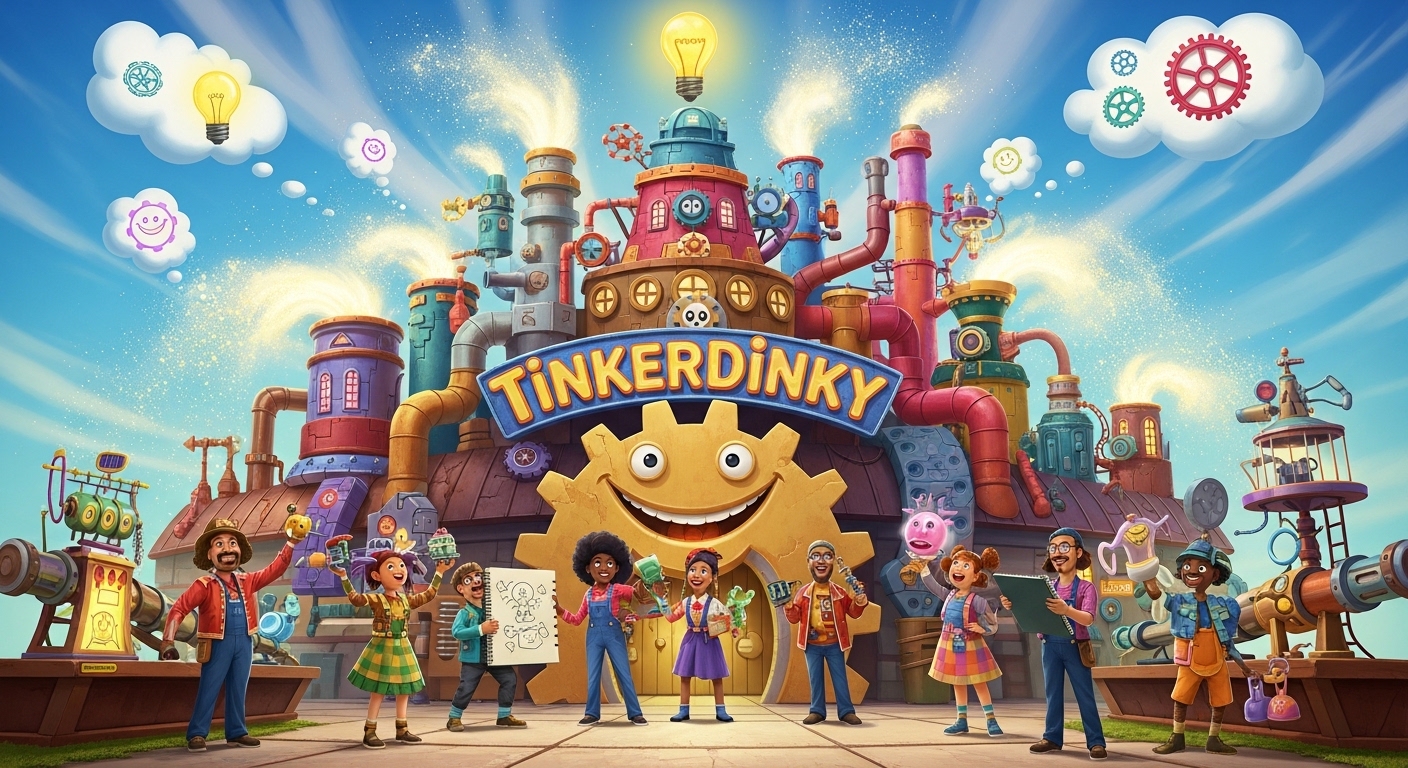
In a rapidly changing world, the need for creativity and innovation has never been more pronounced. As industries evolve and consumer demands shift, individuals and businesses alike are on the lookout for effective ways to harness imaginative thought processes. One term that has begun to surface in discussions around creativity and innovation is “tinkerdinky.” This term, while uncommon, encapsulates a philosophy that emphasizes playfulness, experimentation, and a non-linear approach to problem-solving. In this article, we will explore the meaning of tinkerdinky, its implications for creativity, and how it can be applied in various domains, including education, business, and personal development.
Understanding Tinkerdinky: A Playful Philosophy
At its core, tinkerdinky embodies a playful exploration with an emphasis on trial and error. The word itself suggests a light-heartedness often associated with childhood imagination and creative play. It encourages individuals to engage with their ideas in a less constrained manner, allowing for the exploration of possibilities without the fear of failure. When people adopt a tinkerdinky mindset, they often find themselves liberated from conventional thinking, enabling them to see solutions where one might previously have seen obstacles.
The Roots of Tinkering in Creativity
Historically, tinkering has been associated with inventors and creators who engaged in hands-on experimentation. Well-known figures like Thomas Edison and Leonardo da Vinci attributed much of their success to a willingness to tinker—experimenting with ideas, materials, and processes until something remarkable emerged. This method of creative exploration teaches invaluable lessons about perseverance, curiosity, and the importance of embracing the unknown.
The tinkerdinky mindset extends this philosophy, advocating for playful experimentation that is both accessible and enjoyable. By viewing challenges through a lens of creativity, individuals can foster innovation in their ideas and projects, ultimately leading to impactful results.
Applying Tinkerdinky in Education
Education is an area ripe for innovation, and incorporating a tinkerdinky approach can transform traditional classroom environments. As educators grapple with varying learning styles and the demands of an increasingly complex world, a focus on playfulness and experimentation can provide students with the tools they need to thrive.
Encouraging Hands-On Learning
Emphasizing hands-on projects—be it in science, art, or even mathematics—can illuminate the principles of tinkerdinky in education. For instance, rather than relying solely on textbook instruction, educators can design lessons that involve building prototypes, conducting experiments, or engaging in creative writing prompts that allow students to explore their ideas in a tangible way.
Fostering Collaboration and Problem-Solving
Tinkerdinky can also serve as a catalyst for collaborative learning. When students work together on projects that require creative problem-solving, they develop critical thinking skills, communication abilities, and resilience. This collaborative environment fosters a sense of community while allowing for a diversity of thought that enhances everyone’s learning experience.
Creating a Safe Space for Creativity
For students to truly embrace a tinkerdinky mindset, they need a safe space to express their ideas without fear of judgment. Educators can cultivate such an environment by encouraging risk-taking and normalizing the notion that failure is a natural part of the creative process. Celebrating effort and exploration rather than focusing solely on outcomes can inspire students to pursue their interests and passions unapologetically.
Tinkerdinky in Business Innovation
Beyond education, the tinkerdinky philosophy can be invaluable in the realm of business and entrepreneurship. In an era where companies must continually adapt and innovate to stay relevant, embracing a playful approach to problem-solving can yield significant benefits.
Cultivating a Culture of Experimentation
Organizations can adopt a tinkerdinky mindset by encouraging a culture of experimentation where employees feel empowered to share and execute ideas without bureaucratic constraints. By allowing teams to brainstorm and prototype potential solutions, businesses can tap into the creativity of their workforce, leading to innovative products, services, and processes.
Engaging Customers in the Innovation Process
Another impactful application of tinkerdinky lies in engaging customers directly in the innovation process. Co-creation workshops, hackathons, and interactive platforms can provide businesses with valuable insights while allowing customers to feel a deeper connection to the brand. This participatory approach not only generates fresh ideas but also fosters loyalty and customer satisfaction.
The Role of Play in Team Dynamics
Incorporating play into team dynamics can enhance collaboration and foster stronger interpersonal relationships. Activities like brainstorming games or creative workshops allow team members to explore ideas freely, breaking down barriers and championing creativity. A playful environment often leads to breakthroughs and innovative solutions that may not have surfaced in a traditional setting.
Leveraging Tinkerdinky for Personal Development
The tinkerdinky philosophy is not limited to educational settings or corporate culture; it can also play a crucial role in personal development. Individuals can harness the power of tinkerdinky to enrich their lives, build resilience, and engage in lifelong learning.
Expanding Creative Horizons
By adopting tinkerdinky principles in daily life, individuals can expand their creative horizons. Pursuing hobbies that encourage experimentation—such as painting, writing, or DIY projects—can unleash a sense of innovation and spark new ideas. Allowing oneself to explore diverse interests without the pressure of mastery can lead to a more fulfilled and enriched life.
Building Resilience Through Experimentation
Engaging in tinkerdinky activities helps build resilience, as individuals learn to embrace failure as part of the learning process. This mindset encourages one to view setbacks not as insurmountable obstacles but as opportunities for growth, fostering a greater capacity to navigate challenges in both personal and professional settings.
Finding Joy in the Process
Ultimately, the tinkerdinky philosophy reminds us of the inherent joy that comes from play and exploration. In a world where pressure and expectations abound, rediscovering the simple pleasure of tinkering can lead to a more balanced and gratifying life.
Conclusion
The externals of a rapidly evolving global landscape necessitate new ideas, adaptations, and innovations. By embracing the tinkerdinky mindset, individuals, educators, and businesses can cultivate a culture of creativity. And experimentation that fosters meaningful solutions to complex challenges. Whether in the classroom, the corporate world, or personal endeavors. Tinkerdinky serves not only as a philosophy but as an essential approach to thriving in an age where innovation is key. As we continue to navigate an uncertain future. It is through playful exploration that we may find our greatest successes and inspirations.

The word cassasse may be foreign to some, but it conceals a gastronomic treasure just waiting to be found. Discover the rich history, unusual ingredients, and culinary skill of Cassasse in this in-depth study. Come with us on a culinary adventure that knows no boundaries as we unveil the enchanting Cassasse universe.
Historical Roots of Cassasse
The origins of Cassasse can be traced back to ancient culinary traditions, where it held a significant place in cultural celebrations. Evolving over the years, it has become a staple in various cuisines, each region adding its touch to this culinary masterpiece.
Ingredients That Make Cassasse Unique
At the heart of Cassasse lies a symphony of ingredients, each contributing to its distinct flavor profile. From the essential basics to the more exotic components, the combination creates a culinary experience like no other.
Culinary Artistry: Making the Perfect Cassasse
Crafting the perfect Cassasse requires a careful balance of technique and creativity. In this section, we’ll guide you through the step-by-step process, offering insights and tips to ensure your Cassasse stands out in both taste and texture.
Regional Variations of Cassasse
Traveling from region to region, Cassasse undergoes fascinating transformations. Discover the unique twists and turns as different cultures and culinary traditions leave their mark on this delectable dish.
Health Benefits of Cassasse
Contrary to common belief, Cassasse isn’t just a treat for the taste buds; it also packs a nutritional punch. Uncover the health benefits that make Cassasse not only delightful but also a guilt-free indulgence.
Popular Cassasse Pairings
Enhance your Cassasse experience by exploring the perfect pairings. Whether it’s a complementary beverage or a side dish that elevates the flavors, we’ve got you covered.
Cassasse in Modern Cuisine
As culinary trends evolve, so does Cassasse. From fusion recipes to Instagram-worthy presentations, witness the modern-day makeover of this timeless dish.
Cassasse: A Feast for the Senses
Immerse yourself in the sensory journey of Cassasse’s . From the visual appeal to the tantalizing aroma and the explosion of flavors on the palate, Cassasse’s is truly a feast for all the senses.
Cassasse in Cultural Celebrations
Explore how Cassasse’s takes center stage in cultural celebrations, becoming more than just a dish but a symbol of tradition and festivity.
Expert Opinions on Cassasse
Gain insights from culinary experts who have mastered the art of Cas sasse. Their perspectives shed light on what makes this dish a unique and cherished culinary experience.
DIY Cassasse: Trying It at Home
Feeling adventurous? We encourage you to try your hand at making Cas sasse at home. Our user-friendly recipes and helpful tips will make the process enjoyable and rewarding.
Cassasse: An International Sensation
Beyond its place of origin, Cas sasse has transcended borders and become an international sensation. Discover how this culinary gem has captured the hearts and palates of food enthusiasts worldwide.
Common Mistakes to Avoid When Making Cassasse
Embarking on a culinary journey can be tricky, and Cas sasse is no exception. Learn from common mistakes to ensure your Cas sasse-making experience is smooth and successful.
Conclusion
More than just a meal, cassasse is an ode to diverse tastes, traditions, and cultures. Indulge in each bite as you set out on your Cas sasse journey and allow yourself to be swept away by a kaleidoscope of flavors.
FAQ’s
Is Cas sasse difficult to make at home?
Making Cas sasse at home is surprisingly simple with the right guidance. Our DIY section provides easy-to-follow recipes.
Can I substitute ingredients in Cas sasse recipes?
While some ingredients are essential, Cas sasse is versatile. Feel free to experiment with substitutions based on your preferences.
What beverages pair well with Cas sasse?
Cas sasse pairs well with a variety of beverages, including wine, tea, or a refreshing fruit-based drink. Explore the options to find your perfect match.
How can I avoid common mistakes when making Cas sasse?
Our article highlights common mistakes and offers tips to ensure a smooth Cas sasse-making experience. Pay attention to details and enjoy the process.
Is Cas sasse suitable for special dietary requirements?
Cas sasse can be adapted to different dietary needs. Explore ingredient variations to accommodate specific preferences or restrictions.
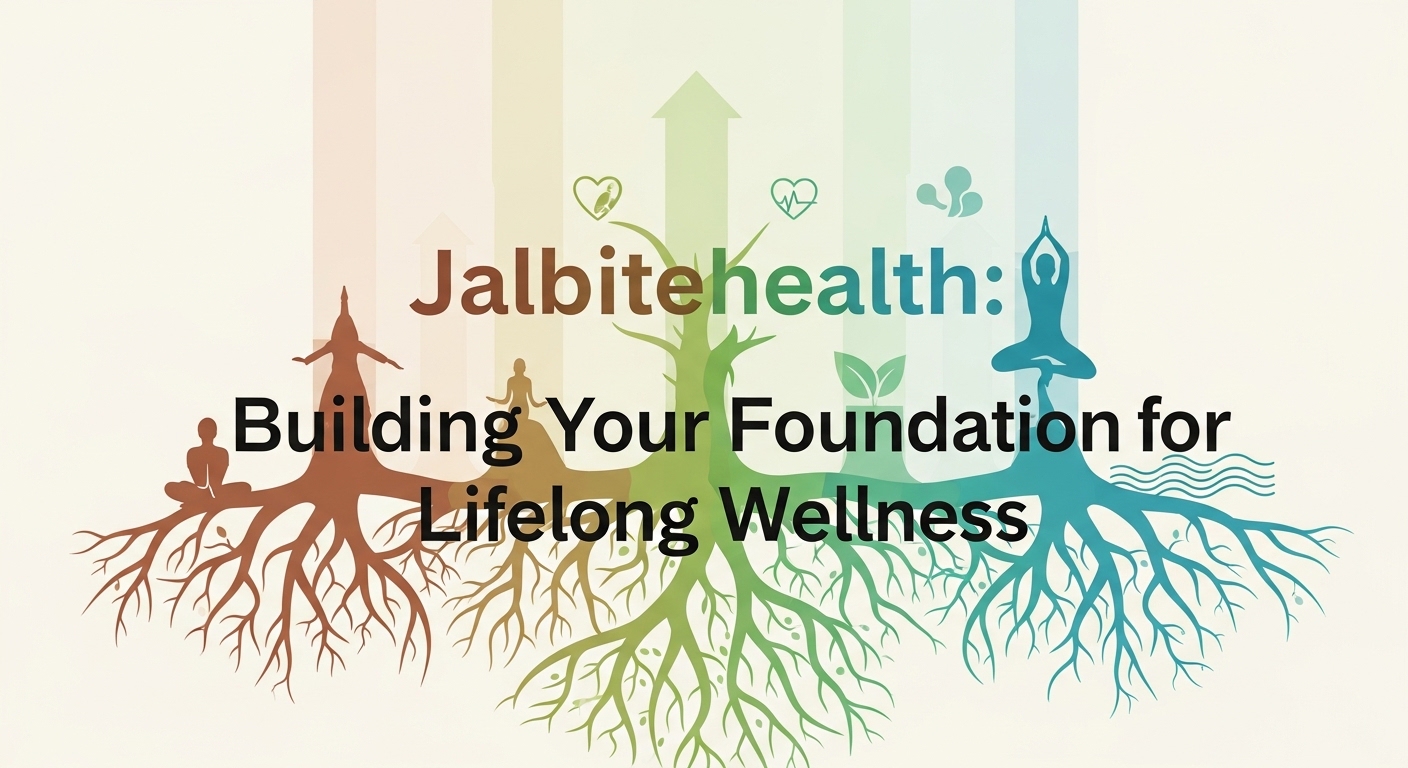
Jalbitehealth is a wellness-focused platform designed to guide individuals in creating a strong foundation for lifelong health. It emphasizes holistic approaches that combine physical fitness, nutrition, mental wellness, and preventive care to help users achieve sustainable well-being. The platform caters to people at all stages of life, providing resources and guidance tailored to individual needs.
What Is Jalbitehealth
Jalbitehealth offers a comprehensive approach to wellness, covering fitness routines, dietary guidance, mental health strategies, and lifestyle habits. The platform focuses on educating users about sustainable practices rather than quick fixes. By integrating multiple aspects of health, it helps individuals create long-term wellness strategies.
Key features include personalized wellness plans, nutrition recommendations, fitness guides, mental health support, and habit tracking tools. These features aim to empower users to take control of their health.
Why Lifelong Wellness Matters
Building a foundation for lifelong wellness is essential for preventing chronic diseases, improving quality of life, and enhancing longevity. Early adoption of healthy habits helps reduce the risk of obesity, heart disease, diabetes, and other lifestyle-related conditions. Consistent attention to wellness also promotes mental clarity, emotional balance, and physical strength.
Adopting a structured wellness plan ensures that progress is sustainable and benefits are cumulative over time. Small, consistent steps lead to significant long-term improvements in health.
Core Components of Jalbitehealth Programs
Physical Fitness
Physical activity is a cornerstone of wellness. Jalbitehealth promotes a balanced approach to fitness, including:
- Cardio: Activities like walking, running, cycling, and swimming improve heart health, endurance, and calorie burning.
- Strength Training: Resistance exercises build muscle, enhance metabolism, and strengthen bones.
- Flexibility and Mobility: Stretching routines and yoga improve range of motion and reduce the risk of injuries.
- Functional Training: Exercises mimicking daily activities improve strength, coordination, and overall movement efficiency.
Nutrition
Proper nutrition fuels the body and supports recovery. Jalbitehealth emphasizes:
- Balanced meals with appropriate macronutrients
- Adequate hydration
- Mindful eating practices
- Dietary adjustments tailored to fitness goals or health conditions
Mental Wellness
Mental and emotional health is a critical component of lifelong wellness. Jalbitehealth provides guidance on:
- Stress management techniques
- Mindfulness and meditation practices
- Work-life balance strategies
- Cognitive exercises to improve focus and memory
Preventive Health
Preventive care reduces the risk of long-term health issues. The platform encourages:
- Regular health screenings and check-ups
- Monitoring key health markers
- Early detection and intervention for potential health problems
- Educating users on lifestyle choices that support overall wellness
How to Build Your Wellness Foundation with Jalbitehealth
Step 1: Assess Your Current Health
Understand your physical, mental, and nutritional baseline. This includes fitness level, dietary habits, and stress levels. A clear understanding of your starting point helps in designing a realistic plan.
Step 2: Set Clear Wellness Goals
Define specific objectives such as weight management, increased strength, improved mental health, or better dietary habits. Goal setting creates direction and motivation.
Step 3: Create a Balanced Routine
Combine physical activity, proper nutrition, mental wellness practices, and preventive health measures. For example:
- 3–4 days of strength training
- 2–3 cardio sessions
- Daily mindfulness or meditation
- Balanced diet with nutrient-rich foods
Step 4: Monitor Progress
Track fitness improvements, dietary adherence, and mental wellness markers. Adjust the routine based on results to maintain steady progress.
Step 5: Focus on Consistency
Lifelong wellness requires sustainable habits. Consistency in workouts, healthy eating, stress management, and preventive care ensures long-term benefits.
Sample Wellness Plans
Weight Management Plan
- Cardio sessions 3–4 times per week
- Moderate strength training 2–3 times per week
- Nutrition focused on calorie balance and nutrient-dense foods
Muscle and Strength Plan
- Strength training 4–5 times per week
- Limited cardio for recovery and endurance
- Protein-rich diet to support muscle growth
Holistic Wellness Plan
- Combination of cardio, strength, and flexibility exercises
- Mindfulness and stress management practices
- Balanced diet with emphasis on whole foods
- Routine preventive health monitoring
Benefits of Using Jalbitehealth
- Comprehensive wellness guidance across multiple dimensions
- Personalized plans tailored to goals and lifestyle
- Evidence-based strategies for sustainable health improvements
- Focus on preventive care and long-term results
Tips for Effective Wellness Building
- Start gradually and avoid overexertion
- Maintain consistent routines across fitness, diet, and mental wellness
- Prioritize proper sleep and recovery
- Use tracking tools to monitor progress and adjust plans
- Seek professional guidance when necessary
Frequently Asked Questions
What is Jalbitehealth
Jalbitehealth is a platform that guides individuals in building sustainable wellness routines across fitness, nutrition, mental health, and preventive care.
Who can benefit from Jalbitehealth
It is suitable for individuals of all ages and fitness levels who want to improve overall health and build long-term wellness habits.
Does it include nutrition guidance
Yes, the platform provides detailed nutrition recommendations to support health and fitness goals.
How often should I exercise
Most wellness plans recommend 3–5 days of combined physical activity per week, depending on your goals.
Can Jalbitehealth help with mental health
Yes, the platform emphasizes mindfulness, stress management, and cognitive wellness practices.
Conclusion
Jalbitehealth offers a comprehensive approach to building a foundation for lifelong wellness. By integrating fitness, nutrition, mental health, and preventive care into a consistent routine, individuals can achieve sustainable improvements in health. Following a structured, balanced plan helps create habits that promote long-term vitality and overall well-being.
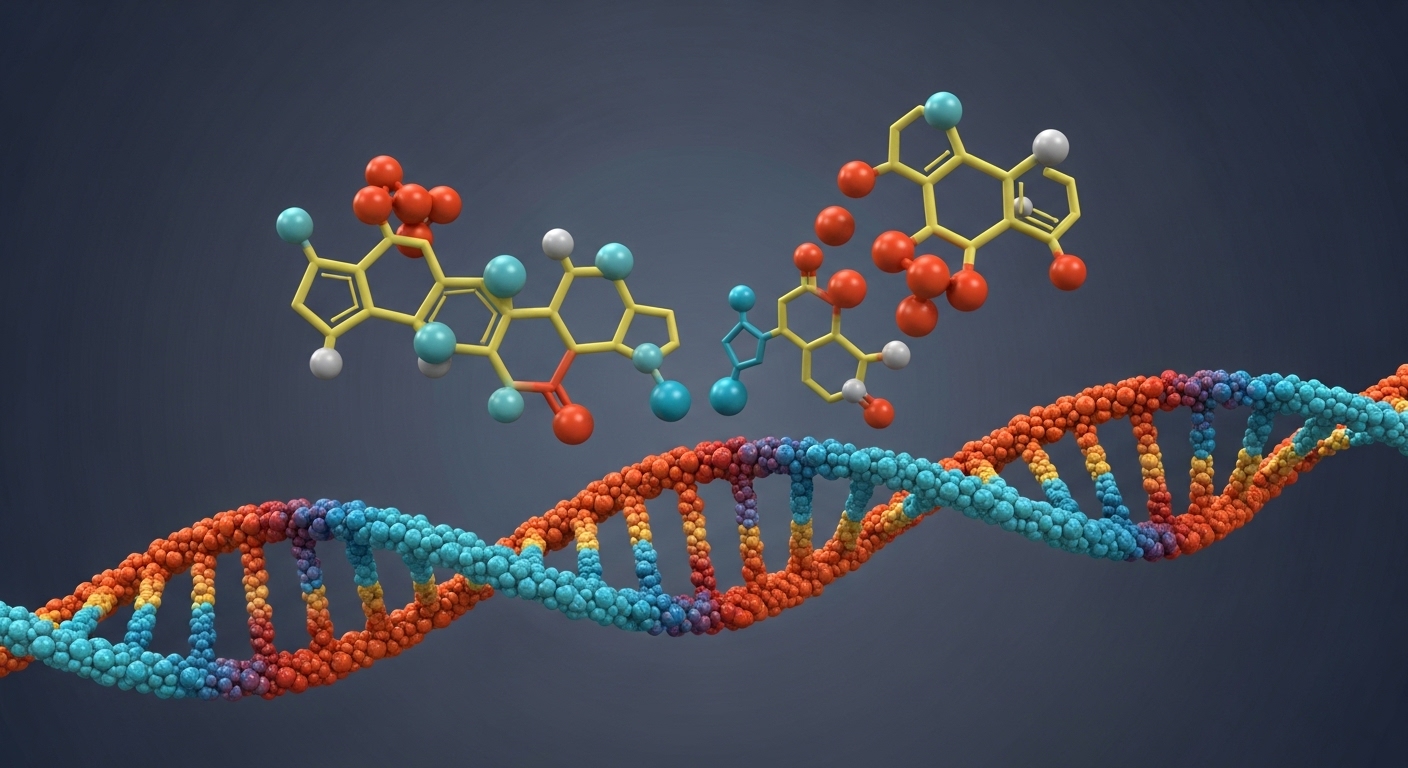
Nucleotides are the biochemical units that make life possible. They store genetic information, power cellular metabolism, regulate signaling networks, and serve as the foundation of modern molecular medicine. Every cell division, muscle contraction, neural impulse, and immune response depends on nucleotide chemistry. Their biological influence spans from molecular evolution to gene editing technologies.
This guide provides a complete, research-level synthesis of nucleotide biology, metabolism, disease relevance, and biomedical applications.
What is Nucleotides?
A nucleotide is composed of three components:
- A nitrogenous base
- A pentose sugar (ribose or deoxyribose)
- One to three phosphate groups
The sugar and base form a nucleoside. Addition of phosphate creates a nucleotide. Phosphate groups attach at the 5′ carbon of the sugar, enabling polymerization via 3′–5′ phosphodiester bonds.
This directional linkage creates nucleic acid strands with polarity (5′ → 3′ orientation), a fundamental property required for replication and transcription fidelity.
Even slight structural modifications—such as removal of the 2′-OH group in deoxyribose—dramatically increase molecular stability. This explains why DNA is suited for long-term information storage, while RNA is more reactive and regulatory.
Nitrogenous Bases: Structural Chemistry and Pairing Fidelity
Nitrogenous bases determine information encoding and molecular recognition.
Purines (Double Ring Structure)
- Adenine (A)
- Guanine (G)
Pyrimidines (Single Ring Structure)
- Cytosine (C)
- Thymine (T)
- Uracil (U)
In DNA:
- A pairs with T (2 hydrogen bonds)
- G pairs with C (3 hydrogen bonds)
The triple hydrogen bonding between G and C increases thermal stability. Genomic regions rich in GC content have higher melting temperatures, influencing replication and transcription dynamics.
DNA polymerase replication fidelity is extraordinarily high—error rates are approximately 1 in 10⁹–10¹⁰ nucleotides after proofreading. This precision depends entirely on correct base pairing.
Polymer Formation and DNA/RNA Structural Stability
Nucleotides polymerize into polynucleotide chains. The sugar-phosphate backbone forms the structural scaffold, while bases project inward to encode information.
DNA forms a double helix stabilized by:
- Hydrogen bonding
- Base stacking interactions
- Electrostatic stabilization
RNA is usually single-stranded but folds into complex secondary structures (hairpins, loops, pseudoknots), allowing catalytic and regulatory functions.
Structural variation enables biological diversity without altering chemical fundamentals.
Nucleotides as Energy Molecules: ATP Turnover and Bioenergetics
Adenosine triphosphate (ATP) is the central energy carrier of the cell.
Key quantitative insight:
- Hydrolysis of ATP → ADP releases ~30.5 kJ/mol under standard conditions.
- A resting human turns over approximately their entire body weight in ATP daily.
ATP powers:
- Ion gradients (Na⁺/K⁺ pumps)
- Muscle contraction (myosin cycling)
- Biosynthesis
- Vesicle trafficking
Other nucleoside triphosphates:
- GTP drives translation and microtubule dynamics.
- CTP participates in phospholipid synthesis.
- UTP supports glycogen metabolism.
Energy metabolism is fundamentally nucleotide metabolism.
Cell Signaling and Regulatory Networks
Nucleotides act as intracellular messengers.
Cyclic AMP (cAMP):
- Activates protein kinase A
- Regulates glucose metabolism
- Modulates gene transcription
Cyclic GMP (cGMP):
- Regulates vascular tone
- Involved in phototransduction
Nucleotide-derived cofactors:
- NAD⁺ and FAD function in mitochondrial oxidative phosphorylation.
- NAD⁺ levels influence aging-related pathways and sirtuin activity.
Thus, nucleotides coordinate metabolism, gene regulation, and cellular adaptation.
Nucleotide Metabolism: De Novo and Salvage Pathways
Cells synthesize nucleotides via:
De Novo Synthesis
Constructs bases from:
- Amino acids (glycine, glutamine, aspartate)
- CO₂
- Ribose-5-phosphate
Purine synthesis consumes significant ATP, making it energetically expensive.
Salvage Pathway
Recycles free bases using enzymes such as:
- HGPRT (hypoxanthine-guanine phosphoribosyltransferase)
Defects in salvage enzymes can cause severe metabolic disorders.
Balanced nucleotide pools are essential. Imbalance increases mutation rates and genomic instability.
Nucleotide Dysregulation and Disease Mechanisms
Abnormal nucleotide metabolism contributes to disease.
Gout
Excess purine breakdown increases uric acid, leading to crystal deposition in joints.
Cancer
Rapidly dividing cancer cells upregulate nucleotide synthesis pathways. Many chemotherapeutics target enzymes like thymidylate synthase to disrupt DNA synthesis.
Genetic Disorders
Deficiencies in nucleotide metabolism enzymes can impair immune function and neurological development.
Because DNA replication depends on precise nucleotide ratios, imbalance can cause replication stress and mutation accumulation.
Nucleotides and the Immune System
Immune activation requires massive nucleotide synthesis for clonal expansion of lymphocytes.
High-demand conditions:
- Infection
- Tissue injury
- Chronic inflammation
Nucleotide availability influences:
- Antibody production
- Cytokine signaling
- T-cell proliferation
Rapidly dividing immune cells are particularly sensitive to disruptions in nucleotide pools.
Gut Health and Tissue Regeneration
The gastrointestinal epithelium is one of the most rapidly renewing tissues in the human body, with cellular turnover occurring approximately every three to five days. This intense regenerative demand requires continuous DNA replication and RNA synthesis, processes fundamentally dependent on nucleotide availability. Adequate nucleotide pools support epithelial repair, maintain tight junction integrity, and reinforce mucosal barrier function. During inflammation, infection, or metabolic stress, nucleotide demand increases substantially. Efficient synthesis and salvage pathways therefore play a decisive role in preserving intestinal resilience and promoting optimal tissue regeneration.
Nucleotide Analogues in Medicine
Synthetic nucleotide analogues revolutionized medicine.
Antiviral therapies:
- Incorporate faulty nucleotides into viral DNA/RNA, halting replication.
Cancer therapies:
- Inhibit nucleotide synthesis enzymes.
- Disrupt DNA replication in tumor cells.
mRNA-based therapeutics:
- Use modified nucleotides to improve stability and reduce immune overactivation.
Modern precision medicine depends on nucleotide chemistry.
Evolutionary Perspective: Origin of Nucleotides
From an evolutionary standpoint, nucleotides are believed to have emerged under prebiotic Earth conditions, forming the biochemical foundation for early self-replicating systems. The RNA world hypothesis proposes that ribonucleotides preceded DNA and proteins, functioning both as information carriers and catalytic molecules. Ribozymes—RNA molecules capable of enzymatic activity—demonstrate this dual capacity. The transition from RNA-based systems to DNA-protein biology reflects a progression toward increased stability and specialization. This evolutionary continuity underscores the central role of nucleotides in the origin, diversification, and persistence of life on Earth.
Synthetic Biology and Gene Editing
CRISPR gene editing relies on nucleotide-guided RNA sequences to target specific DNA regions.
DNA sequencing decodes billions of nucleotides to identify mutations.
Synthetic genomes are built nucleotide by nucleotide.
Modern biotechnology operates at the nucleotide level.
Mitochondrial Nucleotide Pools and Aging
Mitochondria maintain independent nucleotide pools for their DNA replication.
Decline in NAD⁺ levels has been associated with:
- Reduced mitochondrial efficiency
- Altered metabolic signaling
- Age-related cellular decline
Maintaining nucleotide balance is increasingly studied in longevity research.
Conclusion
Nucleotides represent the ultimate molecular currency of biological systems. They store genetic information with extraordinary precision, drive cellular energy transfer through ATP hydrolysis, regulate metabolic and signaling networks, and sustain replication fidelity across generations. Every biochemical transaction inside a living cell—whether it involves gene expression, membrane transport, or immune activation—depends on controlled nucleotide availability and balance. Their structural elegance and functional versatility position them at the core of molecular biology, medicine, and biotechnology. To understand nucleotides is to understand the operational logic of life itself.
FAQ’s
Q. Why are nucleotides essential for life?
Because they store genetic information, power metabolism, and regulate cellular signaling.
Q. How many ATP molecules does a human use daily?
An adult synthesizes and consumes roughly their body weight in ATP each day.
Q. What happens if nucleotide balance is disrupted?
Imbalance can cause genomic instability, immune dysfunction, or proliferative disorders.
Q. Are nucleotides involved in aging?
Yes. Molecules like NAD⁺ influence metabolic regulation and age-related cellular processes.
Q. Why are nucleotide analogues used in medicine?
They interfere with replication in viruses and cancer cells, making them powerful therapeutic agents.
-

 BLOG9 months ago
Exploring the Features and Benefits of автономер ру
-

 LIFESTYLE8 months ago
Discovering Springhillmedgroup.com: Your Go-to Source For Quality Healthcare
-

 LIFESTYLE8 months ago
A Comprehensive Guide To Saying Goodbye With Byebyecarta
-

 LIFESTYLE8 months ago
All You Need To Know About floret_joy
-

 TECH7 months ago
Irobux.com Redeem: Complete Guide to Codes, Rewards & Safety
-
 TRAVEL8 months ago
All You Need To Know About travellingaapples.com
-

 ENTERTAINMENT7 months ago
Sabung Ayam Borneo303: Complete Guide to Online Cockfighting Entertainment
-

 LIFESTYLE8 months ago
Kniko Howard: An Insight into His Life and Career