
BLOG
Daekero: The Traditional Art of Singing from Bima

Introduction to Daekero
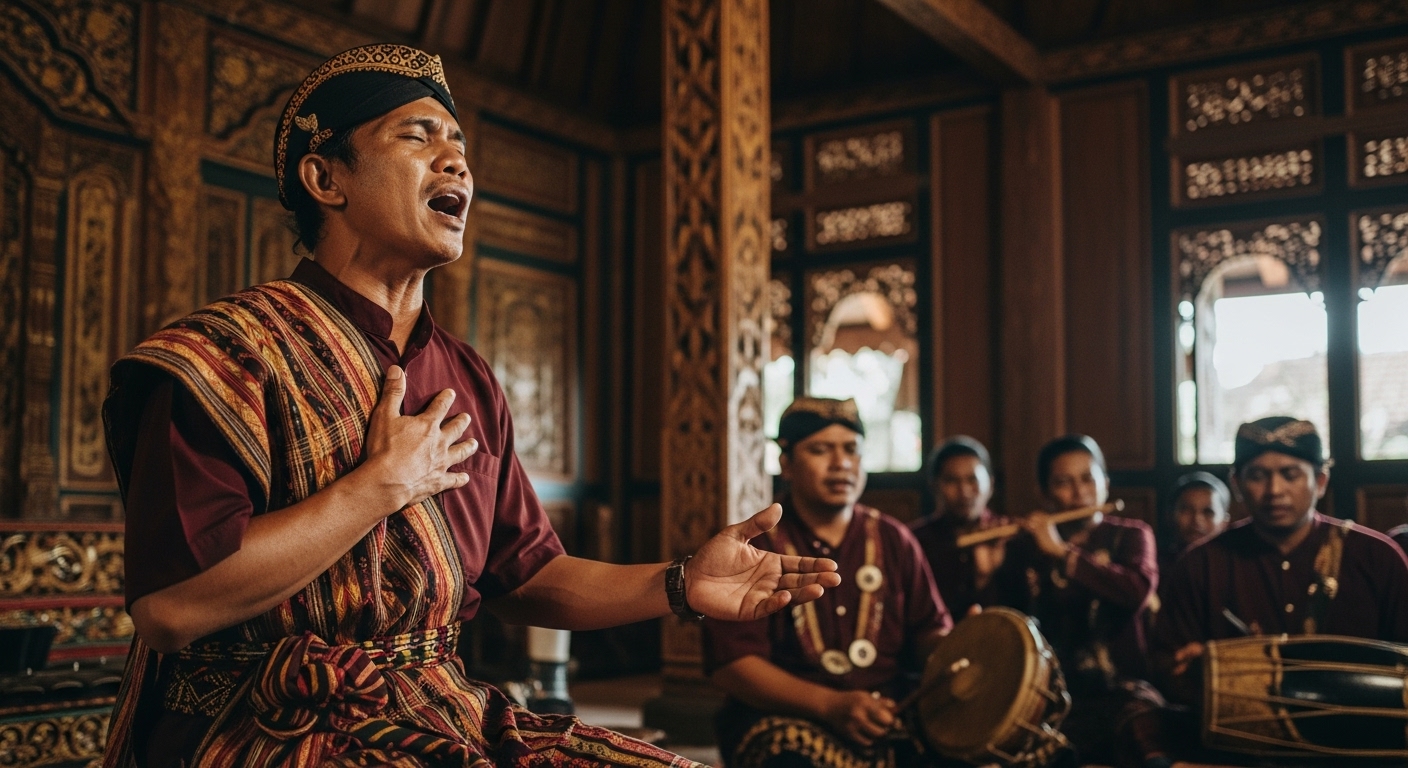
In the heart of Indonesia, where traditions are deeply tied to everyday life, Daekero holds a special place. Originating from the Bima region, Daekero is more than just a style of singing—it is a cultural expression that connects people with their history, emotions, and community values. Unlike modern performances that often emphasize technique and stage presence, Daekero is rooted in sincerity, storytelling, and the ability to touch the listener’s heart.
What is Daekero?
Daekero can be described as a traditional way of singing in Bima, Indonesia, where performers use gentle tones to share stories filled with emotion. These songs may speak about love, hardship, journeys, or even daily life. The melodies are typically slow and flowing, allowing the words to carry deep meaning. For many, Daekero is not just music but a voice for expressing what cannot be easily said in normal conversation.
Historical Roots of Daekero
The origins of Daekero are not fully documented, but local elders often recall that it has been practiced for generations. Traditionally, people gathered in small groups during evening hours to listen to these songs. Farmers, fishermen, and villagers found comfort in the melodies after long days of work. Over time, Daekero became an important oral tradition, preserving local wisdom and keeping memories alive through music.
Cultural Significance
In Bima society, Daekero is seen as a way to build connections among people. When someone sings, listeners feel not only entertained but also understood. The lyrics often reflect shared struggles or joys, making the performance a collective experience rather than just an individual act. Weddings, community gatherings, and cultural festivals often feature Daekero, as it represents unity and belonging.
The Art of Singing Daekero
Performing Daekero requires more than a good voice. Singers are expected to put emotion into every word, making the audience feel the weight of the story being told. Unlike fast-paced music, Daekero relies on patience and control. Each pause, each gentle rise of tone, and each soft drop creates a rhythm that feels natural and deeply human.
Storytelling Through Songs
One of the strongest features of Daekero is its storytelling element. Songs are not written for quick enjoyment but rather for reflection. A single performance may tell the story of a young traveler leaving home, a couple separated by circumstance, or the hope of a better future. These narratives not only entertain but also pass down values, morals, and historical lessons to younger generations.
Emotional Depth in Daekero
Daekero is often described as a form of emotional release. For the singer, it is a way of unburdening feelings that might otherwise remain hidden. For the audience, it is an invitation to share in those feelings. The calm and soothing sound helps listeners slow down and reflect, which is why many consider Daekero both music and therapy.
Comparison with Other Indonesian Traditions
Indonesia is known for its diverse cultural expressions, from gamelan music in Java to angklung in West Java and traditional dances across Bali. Daekero, however, is distinct in its simplicity and focus on personal expression. While many traditions involve instruments, costumes, and choreography, Daekero highlights the power of the human voice alone.
Preservation of Daekero
As modern lifestyles and global influences grow, traditions like Daekero face the risk of being forgotten. Young generations are often drawn to popular music styles that dominate social media and entertainment platforms. However, cultural groups and educators in Bima are working to preserve this art form by organizing workshops, teaching sessions, and public performances. Their goal is to ensure that Daekero continues to live on as a symbol of identity and pride.
Daekero in Modern Times
Although it is rooted in tradition, Daekero is also adapting to contemporary life. Some artists now record Daekero performances and share them through digital platforms. This new approach allows people outside of Bima to experience the beauty of the tradition. At the same time, local communities encourage live performances to maintain the authentic atmosphere that can only be felt in person.
Why Daekero Matters Today
In a world that often moves too fast, Daekero reminds people of the importance of slowing down and feeling deeply. It represents patience, honesty, and community connection. By continuing to practice and celebrate Daekero, Bima preserves not just a form of music but also a way of living that values emotions, respect, and shared stories.
Challenges Facing Daekero
One of the biggest challenges for Daekero is the lack of documentation and exposure. Since it is mostly passed down orally, there is a risk of losing variations and original melodies. Another challenge is the younger generation’s shifting interests toward global music genres. Without proper encouragement, Daekero could become a forgotten memory rather than a living tradition.
Efforts to Keep Daekero Alive
Cultural organizations, schools, and local leaders are playing an active role in promoting Daekero’s . They arrange community singing nights, competitions, and festivals dedicated to traditional arts. By including Daekero’s in school programs, children learn to appreciate their heritage from an early age. Such efforts create a bridge between the past and the future, making the tradition relevant even in modern society.
The Experience of Listening to Daekero
Listening to Daekero’s is often described as calming and reflective. The audience feels drawn into the story, almost as if they are living the emotions themselves. The gentle rhythm slows down the pace of thought, making people more present in the moment. For outsiders, it can be an introduction to the deep cultural richness of Indonesia. For locals, it is a reminder of home, belonging, and shared history.
Conclusion
Daekero is more than a style of singing—it is a cultural treasure that embodies the soul of Bima. Through its soft tones and heartfelt stories, Daekero’s keeps alive the emotions, values, and traditions of generations. Preserving it is not just about saving music, but about honoring identity and passing wisdom to the future.
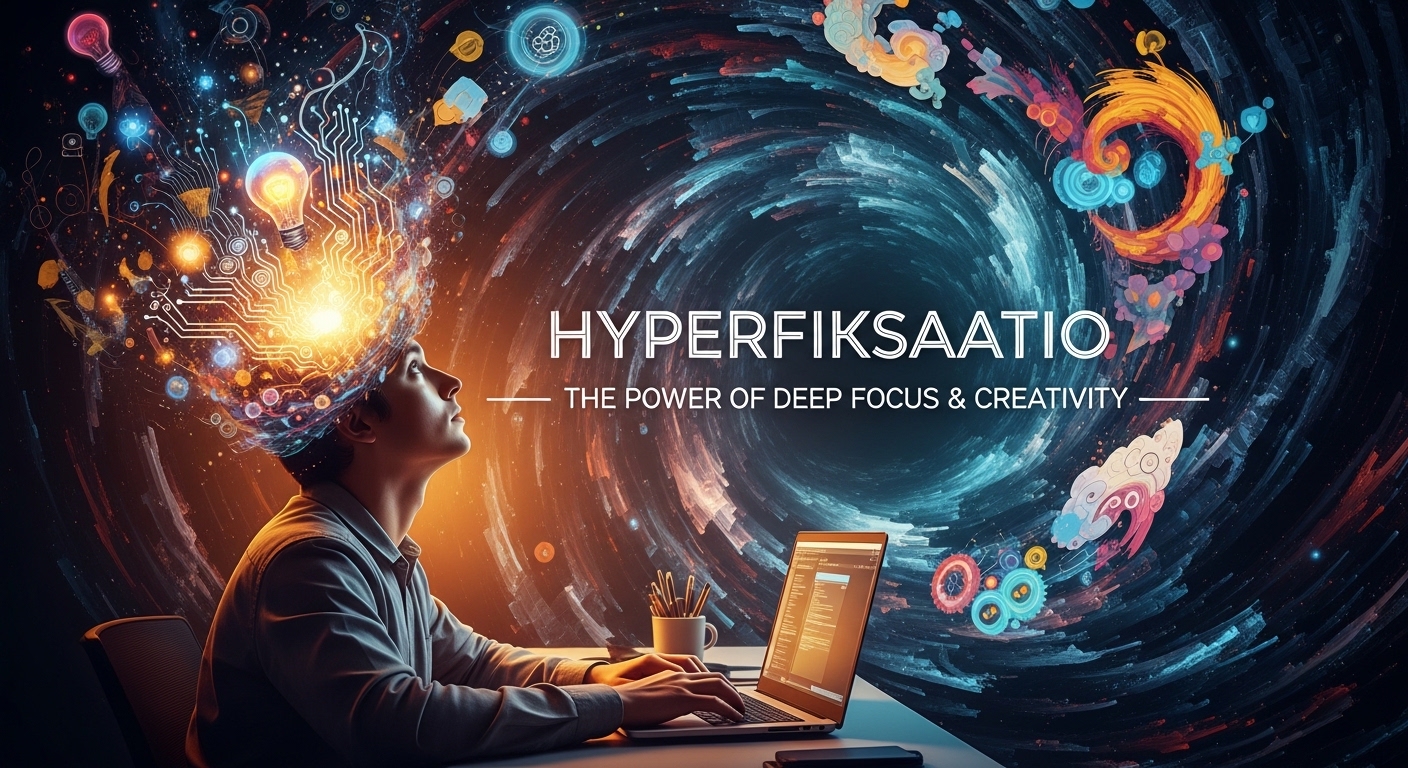
Hyperfiksaatio, a Finnish term meaning hyperfixation, describes an intense, consuming form of attention that can last for hours or even days. More than simple interest, it represents a fusion of brilliance and vulnerability, where passion can easily tip into obsession. As awareness of neurodiversity grows, understanding hyperfiksaatio offers insight into how uniquely different minds engage with creativity, learning, and purpose.
What is Hyperfiksaatio?
Hyperfiksaatio emerges from the complex dance between motivation, emotion, and brain chemistry. It begins when deep interest activates the brain’s reward pathways, flooding focus with dopamine-fueled satisfaction. This can nurture creativity and persistence, but when unchecked, it blurs into compulsion. The mind becomes locked in its own reward loop, finding it difficult to let go. Understanding this balance helps distinguish passionate engagement from unhealthy fixation.
For example, a person with ADHD might begin coding or working on digital art, and hours pass unnoticed. They may skip meals, ignore messages, or lose awareness of time, even if they originally intended a short session. This depth of immersion exemplifies ADHD hyperfixation.
Hyperfiksaatio vs. Normal Interest: Where’s the Line?
At face value, intense interest and Intense concentration feel similar, but they diverge on duration, intensity, and emotional dependence.
| Feature | Normal Interest / Hobby | Hyperfiksaatio |
| Duration | Hours to days, fades naturally | Days, weeks, or longer; may persist |
| Control | Easily shifted to other tasks | Hard to disengage even when needed |
| Emotional tone | Pleasant and voluntary | Sometimes compulsive or anxiety-driven |
| Life impact | Enriches life without major cost | Potential neglect of obligations or relationships |
What Causes Hyperfiksaatio in the Brain?
- Dopamine Imbalance:
Irregular dopamine activity affects reward sensitivity and motivation, making it harder for individuals, especially those with ADHD, to regulate deep focus or shift attention easily.
- Executive Dysfunction:
Weakness in executive functions such as planning, shifting tasks, and inhibitory control can trap attention on one activity for prolonged periods.
- Altered Neural Connectivity:
Differences in brain network connectivity, particularly in resting-state patterns, may promote rigid or repetitive focus behaviors.
- Emotional and Sensory Regulation:
It can serve as a coping mechanism, offering emotional stability or sensory calm when a person feels overstimulated or distracted.
- Reward Loop Reinforcement:
Repeated dopamine release during engaging activities reinforces the cycle of fixation, making disengagement increasingly difficult.
When Hyperfiksaatio Becomes Problematic
- Disrupted Routines: Individuals may skip meals, lose sleep, or neglect hygiene and responsibilities like chores or bills.
- Perceptual Distortion: Time feels compressed, hours pass unnoticed, leading to confusion or difficulty returning to regular tasks.
- Emotional and Psychological Toll: Feelings of guilt, anxiety, or frustration often follow once the imbalance is recognized, impacting self-esteem and relationships.
- Academic or Work Strain: Overfocus on one project or topic can harm performance in other areas, creating stress or burnout.
- Blurred Boundary: The line between productive passion and harmful obsession is subtle, making self-awareness and balance essential.
Positive Sides of Hyperfiksaatio
- Deep Learning and Expertise: Sustained focus enables mastery of complex or niche subjects, helping individuals achieve specialized skills or high productivity in short periods.
- Creative Innovation: Intense concentration fosters originality, allowing people to explore unconventional ideas and make unique discoveries.
- Enhanced Productivity: When aligned with meaningful goals, it’s can lead to exceptional work output and attention to detail.
- Organizational Advantages: Workplaces and schools can harness hyperfixation by offering “focus windows,” task alignment, and mentorship to channel energy effectively.
- Neurodiversity Strength: When supported and balanced, it exemplifies how diverse cognitive patterns can enrich creativity, problem-solving, and innovation.
Managing Its Without Losing Balance
- Scheduled breaks & reminders: Use timers or alarms to prompt transitions.
- Body doubling / external accountability: Working in presence of another to help with transitions. (Emerging VR body doubling study supports this for ADHD)
- Boundary setting: Pre-define limits, time, money, or resource ceilings.
- Cognitive Behavioral Therapy (CBT): Techniques to identify cognitive distortions, shift focus, and build coping flexibility.
- Mindfulness and transition rituals: Practices to anchor awareness and ease out of absorption.
Digital tools (apps that lock you out after time, visual timers, Pomodoro techniques) or mindfulness reminders can help in bridging deep focus with daily rhythm.
The Role of Society and Awareness
Society plays a vital role in reshaping how hyperfiksaatio is perceived and supported. By promoting awareness and education about neurodiverse focus patterns, communities can replace stigma with understanding. Inclusive practices in schools and workplaces help individuals use their deep focus constructively. Greater awareness fosters empathy, balance, and acceptance for all cognitive styles.
FAQ’s
1. Is hyperfiksaatio the same as hyperfocus?
No,it’s lasts longer and is more emotionally immersive, while hyperfocus is short-term, intense concentration.
2. Can people without ADHD experience hyperfiksaatio?
Yes, anyone can experience it, though it’s more common in ADHD or autism due to unique focus patterns.
3. Is hyperfiksaatio always negative?
Not necessarily, when balanced, it can enhance creativity and productivity instead of causing harm.
CONCLUSION
Hyperfiksaatio reveals the fine line between passion and exhaustion. It can drive remarkable creativity and mastery, yet also blur boundaries of rest and connection. By fostering awareness and supportive environments, society can help individuals channel this focus productively. When understood, hyperfiksaatio becomes not a burden, but a bridge to meaningful achievement.
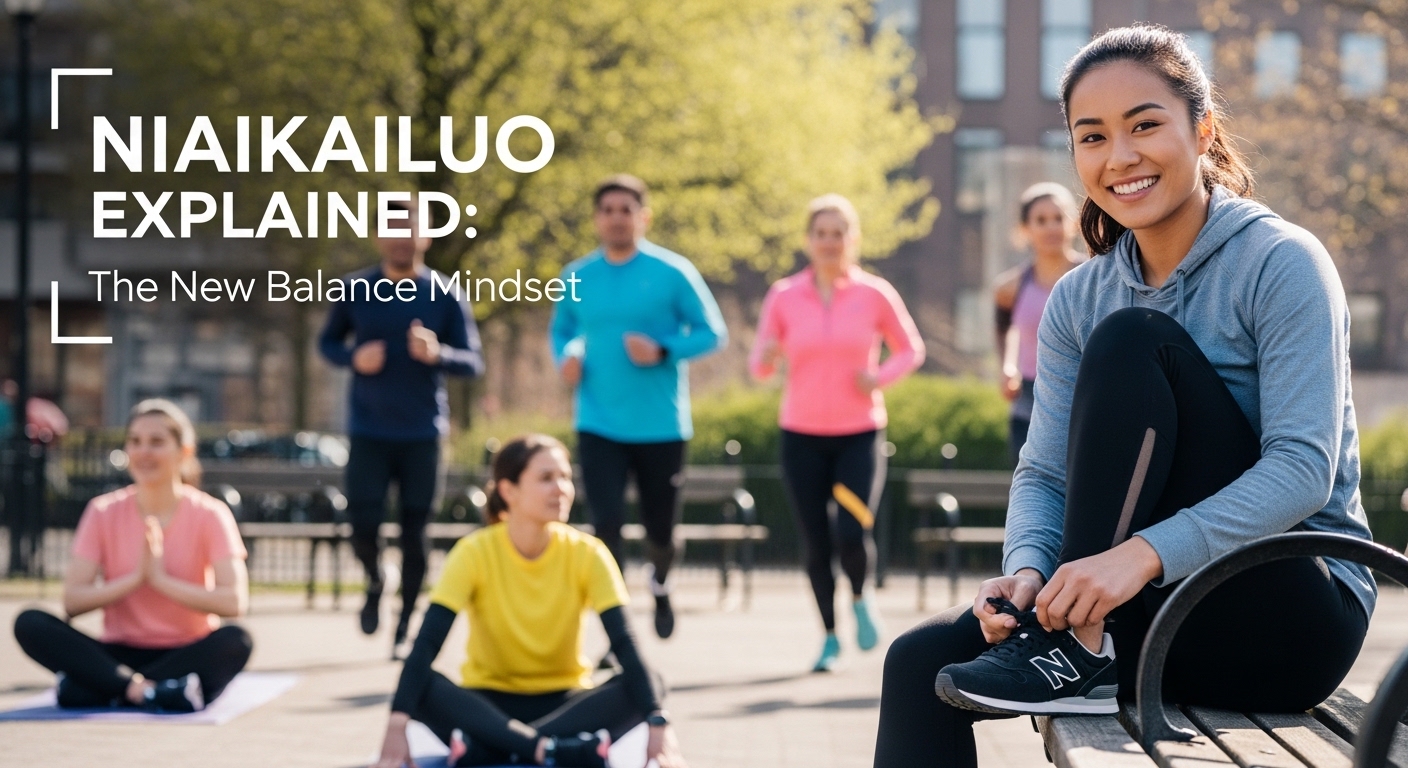
In a world constantly shifting between tradition and modernity, the concept of Niaikailuo emerges as a bridge, a philosophy that harmonizes cultural wisdom, innovation, and purposeful living. Thought to derive from the fusion of “Niai” (harmony or union) and “Kailuo” (opening or pathway), it represents balance, transformation, and direction. It isn’t merely a word; it’s an evolving worldview that invites individuals and societies to pursue progress without losing their essence.
What is Niaikailuo?
Niaikailuo represents a dynamic philosophy that unites harmony, balance, and transformation. Derived from “Niai” (harmony) and “Kailuo” (pathway), it encourages individuals to align their inner values with purposeful actions, fostering unity within oneself and the surrounding world.
It blends traditional wisdom with contemporary innovation, inspiring conscious living and creative adaptation. Through its essence, Niaikailuo promotes ethical growth, resilience, and mindful progress in both personal and collective dimensions of life.
Niaikailuo as a Lifestyle Perspective
As a lifestyle perspective, it promotes intentional living, the art of making mindful choices aligned with one’s values and goals. In a time when people often feel overwhelmed by digital noise, social comparison, and environmental challenges, it provides a framework for clarity and self-alignment.
- Balance between personal ambition and collective responsibility.
- Mindfulness in how one consumes, creates, and connects.
- Resilience in adapting to change without losing one’s sense of purpose.
Much like minimalism and mindfulness, it emphasizes simplicity, not as restriction, but as focus. It encourages individuals to pursue depth over distraction and to integrate emotional, intellectual, and ethical awareness into everyday life.
Niaikailuo in Culture and Society
Culturally, it resonates with a world seeking unity in diversity. It promotes inclusive values, encouraging empathy, dialogue, and shared growth among different communities. In societies facing polarization and fragmentation, the Niaikailuo approach reminds us that true progress arises from collaboration rather than competition.
- Art and Design: It-inspired works often blend traditional motifs with contemporary forms, symbolizing continuity through innovation.
- Education: Schools adopting its principles nurture emotional intelligence, creativity, and ethical awareness alongside academic excellence.
- Community Building: Social projects grounded in it focus on mutual respect, environmental sustainability, and cultural preservation.
In essence, it is both a cultural bridge and a moral compass, guiding societies toward coexistence and collective empowerment.
Niaikailuo in Innovation and Modern Thinking
1. Holistic Problem-Solving
It encourages interdisciplinary approaches. Instead of treating innovation as purely technological, it asks how human values, emotional intelligence, and sustainability can guide creative solutions. This mindset helps innovators design products and systems that are not only efficient but also ethical, inclusive, and adaptable.
2. Ethical Use of Technology
In an age of artificial intelligence, automation, and digital transformation, technology often outpaces moral reflection. The Niaikailuo principle reminds creators to design with intention, ensuring that progress serves humanity, not the other way around.
3. Design That Fuses Tradition with Modernity
It also inspires aesthetic innovation, designs that balance modern functionality with cultural depth. In architecture, fashion, or digital interfaces, it encourages merging heritage motifs with futuristic elements, preserving identity while embracing change.
The Challenges of Niaikailuo
Despite its promise, it faces inherent challenges, primarily due to its abstract and interpretive nature. As a concept without fixed doctrine or centralized origin, it invites diverse meanings, which can lead to ambiguity and misinterpretation.
- Conceptual Ambiguity: Its openness can make it difficult to define or implement consistently across fields.
- Cultural Misunderstanding: When applied globally, it may be romanticized or stripped of depth, losing its philosophical integrity.
- Difficulty in Practice: Balancing harmony and transformation requires self-awareness and discipline, qualities that may conflict with fast-paced modern life.
However, these challenges also underscore its adaptability. Like water taking the shape of its container, its fluid nature allows it to fit different contexts, personal, cultural, or organizational, without losing its essence.
Practical Applications of Niaikailuo
The beauty of it lies not only in its theory but in its practical adaptability. It can be applied across various domains to enhance balance, creativity, and sustainability.
1. Personal Development
It encourages self-awareness and holistic growth. By integrating reflection, goal-setting, and ethical mindfulness, individuals can achieve inner balance and long-term fulfillment.
2. Education
Educators can use it to foster inclusive learning environments. It supports interdisciplinary teaching, creative problem-solving, and moral education, helping students connect knowledge with purpose.
3. Corporate Culture
Businesses adopting the it mindset tend to prioritize ethical leadership, diversity, and sustainable practices. The philosophy inspires organizational resilience, encouraging collaboration over competition and innovation over stagnation.
Niaikailuo and the Future: Bridging Tradition and Modernity
The adaptability of Niaikailuo makes it particularly relevant for the 21st century and beyond. As societies navigate the pressures of globalization, digital transformation, and ecological crisis, the need for integrative frameworks grows urgent.
- Bridge Tradition and Technology: Uniting ancestral wisdom with digital innovation.
- Promote Global Empathy: Encouraging respect and collaboration across cultural boundaries.
- Support Sustainable Progress: Aligning economic, social, and environmental goals.
By fostering a worldview rooted in balance, creativity, and ethical awareness, it can serve as a guiding compass for individuals, organizations, and societies striving to find meaning in an interconnected, fast-changing world.
FAQ’s
Q1. What makes Niaikailuo relevant today?
Its adaptability and integrative thinking make it ideal for addressing modern challenges like cultural fragmentation, technological ethics, and sustainable innovation.
Q2. Is Niaikailuo a lifestyle or a philosophy?
It can be both. While its roots are philosophical, its applications span lifestyle choices, ethical innovation, and cultural awareness.
Q3. How can one practice Niaikailuo in daily life?
By cultivating mindfulness, seeking balance in decision-making, fostering inclusive relationships, and aligning one’s personal goals with ethical and sustainable principles.
Final Thought
Niaikailuo stands as a timeless reminder that true progress arises from harmony, purpose, and mindful transformation. By integrating balance, innovation, and cultural awareness, it guides individuals and societies toward sustainable growth. In a fast-changing world, embracing it means nurturing unity between tradition and modernity, creating a future where progress is not only achieved but deeply meaningful and ethically grounded.
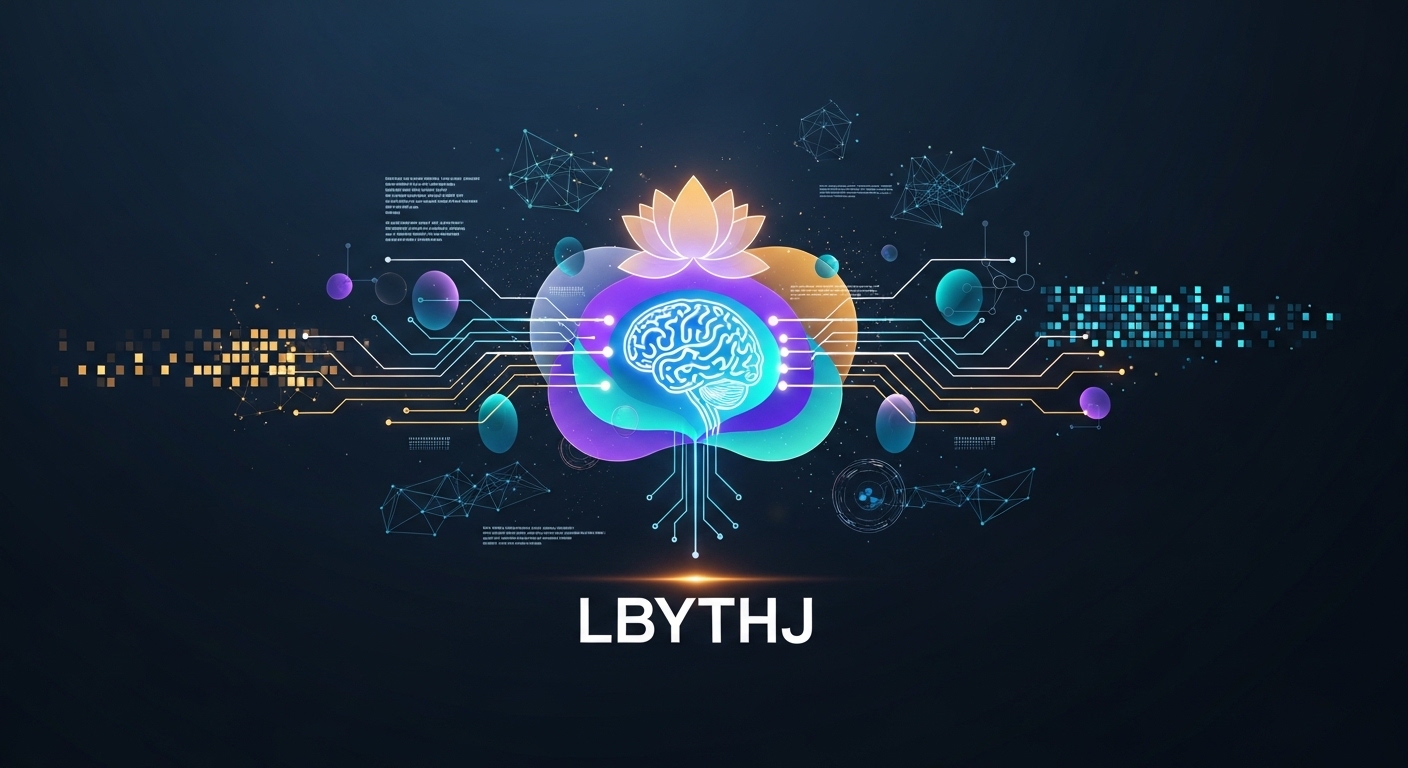
In a rapidly evolving digital world, a new term has begun capturing global attention — LBYTHJ. Though mysterious at first glance, this emerging concept is more than just a buzzword. It represents a fusion of modern digital culture, creativity, and mindful living, making it a symbol of innovation and human adaptability. It’s not just a name; it’s a movement toward purposeful digital existence, blending emotional intelligence with technological evolution.
What Is LBYTHJ and Why It’s Capturing Global Curiosity
So, what is LBYTHJ exactly? At its core, LBYTHJ is seen as an abstract philosophy—a term symbolizing balance between digital transformation and human creativity. It stands for an adaptable mindset that thrives in uncertainty, reflecting how innovation can emerge from the simplest of ideas.
According to Google Trends, the search interest for “LBYTHJ” has grown significantly, indicating rising curiosity about its meaning and origin. This digital buzz is powered by creators, tech enthusiasts, and marketers who see it as an evolving concept tied to personal growth, branding identity ideas, and future vision in a connected world.
The Hidden Meaning and Evolving Purpose Behind LBYTHJ
The meaning of LBYTHJ is intentionally fluid, allowing individuals and brands to interpret it in ways that fit their narratives. Some see it as a lifestyle concept rooted in mindful living, while others connect it to the idea of digital rebirth — a constant evolution of one’s online identity. As SEO professionals and Creative Branding Agencies explore unique naming trends, LBYTHJ becomes an example of how abstract words can gain emotional depth through shared meaning. It embodies a new-age language — not confined by dictionary definitions but shaped by collective imagination and purpose.
How LBYTHJ Became a Symbol of Digital Creativity and Innovation
LBYTHJ has transformed into a beacon of digital creativity and innovation. Its adaptability makes it an ideal symbol for people and businesses embracing modern branding language. Tech enthusiasts connect it with conceptual systems and adaptive technology, linking imagination with real-world solutions.
AI Systems & Innovation Labs have begun referencing terms like LBYTHJ to describe flexible algorithms and intelligent frameworks — mirroring the way humans adapt in digital environments. In this sense, LBYTHJ captures the energy of modern invention — free-flowing, intuitive, and boundlessly creative.
The Role of LBYTHJ in Mindful and Purpose-Driven Living
Beyond technology, LBYTHJ carries a philosophical dimension. It resonates deeply with Mindfulness Movements, emphasizing balance between innovation and intention. In a world often overwhelmed by noise, LBYTHJ lifestyle promotes conscious creativity — building with awareness, designing with empathy, and living with clarity.
As an idea, LBYTHJ philosophy encourages individuals to align their digital presence with authenticity. It reflects how personal development concepts can coexist with progress — proving that true innovation doesn’t only come from machines, but from a mindful human mindset.
Why Brands and Creators Are Embracing the LBYTHJ Philosophy
Modern brands and creators are drawn to LBYTHJ for its versatility and authenticity. In marketing, it serves as a blank canvas for creative storytelling, where companies can align their missions with innovation, integrity, and individuality.
Creative Branding Agencies and SEO professionals use terms like LBYTHJ to establish identity in crowded digital spaces. Its uniqueness offers what most keywords can’t — originality and emotional value. By embracing the LBYTHJ mindset, brands position themselves as forward-thinking, community-driven, and emotionally intelligent.
LBYTHJ in the World of Technology, AI, and Future Systems
The intersection of LBYTHJ and technology is fascinating. In AI systems and innovation labs, it symbolizes adaptive intelligence — systems that evolve, learn, and mirror human creativity. This aligns with ongoing digital transformation efforts where machines are designed to think beyond code and connect with purpose.
Tech startups are experimenting with LBYTHJ-inspired frameworks, integrating flexibility and emotion into product design. The concept fits perfectly with future vision initiatives — encouraging harmony between data and design, logic and empathy, progress and sustainability.
Exploring the Cultural and Emotional Impact of LBYTHJ
Culturally, LBYTHJ acts as a bridge between online community values and human emotion. On platforms like Reddit, Medium, and Tumblr, discussions highlight how abstract concepts foster deeper reflection and connection among digital thinkers. Emotionally, LBYTHJ empowers individuals to find meaning in modern digital culture. It’s a response to the growing desire for authenticity in an era dominated by algorithms. Through this movement, people are redefining how technology should feel — human-centered, creative, and emotionally aware.
How LBYTHJ Redefines Personal Growth and Modern Identity
For individuals, LBYTHJ becomes a mirror of personal growth and evolving identity. It represents the journey from chaos to clarity, where self-discovery meets creativity. In this context, LBYTHJ lifestyle promotes embracing uncertainty as an opportunity to innovate and learn. By integrating innovation mindset with self-awareness, LBYTHJ helps people understand how digital identity isn’t static — it’s ever-changing. It redefines the way we express ourselves online, making space for authenticity, reflection, and emotional intelligence.
From Trend to Movement: The Global Rise of LBYTHJ
What started as a simple term has grown into a global trend. The rise of digital LBYTHJ shows how quickly ideas spread when they resonate with shared values. Across blogs, startups, and online communities, people are uniting around this philosophy of creativity and purpose. Data from Google Trends confirms that interest in lbythj meaning and its applications continues to rise globally. This transition from keyword to concept marks the beginning of a movement — one that connects branding, mindfulness, and innovation in a meaningful way.
The Future of LBYTHJ: What This Concept Could Mean for the Next Decade
Looking ahead, the future of LBYTHJ appears limitless. As technology evolves, so will its interpretation. In the next decade, expect LBYTHJ-inspired frameworks to influence AI development, mindful branding, and digital lifestyle design. Its future lies in collaboration — connecting tech startups, creative agencies, and mindfulness movements to co-create a smarter, more compassionate digital world. LBYTHJ isn’t just a word; it’s a vision for the next era of innovation, where humanity and technology grow together.
FAQ’s
What does LBYTHJ mean?
LBYTHJ is a modern concept symbolizing creativity, innovation, and mindful digital living. It represents adaptability and purposeful evolution in a connected world.
2. Who created the idea of LBY THJ?
While no single founder is documented, Digital Philosophy Blogs and creative communities have shaped its meaning collectively through shared discussions and applications.
3. How is LBY THJ used in technology?
It’s often referenced in AI systems and tech innovation labs to describe flexible, adaptive systems that merge creativity with intelligence.
4. Why are marketers using LBYTHJ?
Because it’s unique, memorable, and emotion-driven — perfect for SEO professionals and branding agencies seeking originality in modern digital language.
5. What is the future of LBYTHJ?
Its future is bright. LBYTHJ will continue inspiring innovation in technology, personal development, and mindful living for years to come.
Final Thoughts
LBYTHJ stands as a timeless symbol of progress — blending innovation, creativity, and consciousness. It captures the essence of what the modern world needs most: connection, authenticity, and adaptability.
Whether you’re a creator, entrepreneur, or thinker, embracing the LBYTHJ philosophy means stepping into a future where ideas thrive freely and technology serves humanity with purpose.
-

 BLOG2 months ago
Exploring the Features and Benefits of автономер ру
-

 TECH2 months ago
Gaolozut253: A New Era of Innovation and Digital Transformation
-

 TECH2 months ago
Adovivo com Uncovered: Ultimate Breakdown of Its Best Features
-
 BLOG2 months ago
Discover the Secrets of Bbooru: Unlock Hidden Gems!
-
 BLOG2 months ago
Nova Scola: Bridging Traditional Learning with Innovative Practices
-

 BLOG2 months ago
Portar Leisa: The Ultimate Mystery Explained
-

 BLOG2 months ago
Understanding Florncelol: Definition, Applications, and Benefits
-
 HOME1 month ago
Cherrysakura: The Beauty, Culture, and Symbolism of Japan