BLOG
Wollmatten: Choosing the Perfect Wool Rug for Your Space


Introduction
When it comes to blending comfort, durability, and timeless design, Wollmatten stand out as one of the most versatile décor investments you can make. Whether you’re furnishing a modern apartment, a traditional home, or a luxury office, choosing the right wool rug can transform your space aesthetically and functionally.
What is Wollmatten?
“Wollmatten” is the German term for wool rugs or wool mats, crafted from natural sheep wool fibers. These rugs are known for their insulating properties, plush texture, and long lifespan. Unlike synthetic alternatives, wool rugs offer a premium feel while remaining environmentally friendly.
Because wool is renewable and biodegradable, Wollmatten are a top choice for eco-conscious homeowners seeking sustainable interior décor.
Why Choose a Wool Rug for Your Space?
1. Exceptional Durability
Wool fibers are naturally elastic, allowing rugs to retain their shape even in high-traffic areas like living rooms and hallways.
2. Natural Stain Resistance
Lanolin, a natural oil found in wool, helps repel dirt and minor spills, making maintenance easier.
3. Thermal Insulation
Wool traps heat, keeping floors warm during colder months while also regulating room temperature.
4. Acoustic Benefits
Wollmatten absorb sound, reducing echo in large or minimally furnished rooms.
5. Eco-Friendly Appeal
Being biodegradable and renewable, wool rugs support sustainable living practices.
Types of Wollmatten (Wool Rugs)
Understanding construction methods helps you select the right rug for durability, price, and style.
Hand-Knotted Wool Rugs
-
Made knot by knot on traditional looms
-
Highly durable and long-lasting
-
Intricate craftsmanship
-
Premium pricing
These are heirloom-quality pieces often passed down generations.
Hand-Tufted Wool Rugs
-
Yarn punched into a fabric backing
-
Softer and thicker pile
-
More affordable than hand-knotted
-
Moderate durability
Ideal for bedrooms and cozy living spaces.
Flatweave Wool Rugs
-
No pile (flat surface)
-
Lightweight and reversible
-
Easy to clean
-
Great for dining rooms and hallways
Machine-Made Wool Rugs
-
Manufactured via automated looms
-
Budget-friendly
-
Consistent patterns
-
Less artisanal detail
Choosing the Right Size Wollmatte
Rug sizing is critical for spatial harmony.
Living Room
-
Large rugs should fit under all furniture legs.
-
Medium rugs anchor seating areas.
Bedroom
-
Place rugs under the lower two-thirds of the bed.
-
Runners on each side add symmetry.
Dining Room
-
Extend rug at least 24 inches beyond table edges.
Hallways
-
Use long runners for visual flow and protection.
Correct sizing makes rooms appear larger and more cohesive.
Selecting Colors and Patterns
Your wool rug should complement—not compete with—your décor.
Neutral Rugs
-
Beige, ivory, gray
-
Ideal for minimalist interiors
-
Timeless and versatile
Bold & Patterned Rugs
-
Persian or Oriental motifs
-
Geometric modern designs
-
Abstract contemporary art styles
Patterns are excellent for hiding wear in busy areas.
Pile Height: Comfort vs. Practicality
Pile height impacts maintenance and feel.
| Pile Type | Best For | Benefits |
|---|---|---|
| Low pile | Dining rooms, offices | Easy to clean |
| Medium pile | Living rooms | Balanced comfort |
| High pile | Bedrooms | Ultra-soft feel |
Homes with pets or kids should lean toward low or medium piles.
Best Placement Ideas
-
Layer wool rugs over hardwood floors.
-
Use round rugs under circular tables.
-
Define open-plan zones with area rugs.
-
Add runners to kitchens or corridors.
Strategic placement enhances both function and style.
Maintenance & Care Guide
Proper care ensures your Wollmatte lasts decades.
Routine Care
-
Vacuum weekly (no aggressive beater bars).
-
Rotate every 6–12 months.
Spill Management
-
Blot immediately—never rub.
-
Use wool-safe detergents.
Deep Cleaning
-
Professional cleaning every 12–18 months.
Shedding is normal in new wool rugs and reduces over time.
Pros and Cons of Wollmatten
Pros
-
Long lifespan
-
Natural insulation
-
Eco-friendly
-
Soft underfoot
-
Flame resistant
Cons
-
Higher upfront cost
-
Initial shedding
-
Sensitive to harsh chemicals
Despite the cost, longevity makes wool rugs cost-effective long term.
Matching Wollmatten to Interior Styles
| Interior Style | Ideal Wool Rug |
|---|---|
| Scandinavian | Neutral flatweave |
| Bohemian | Colorful kilim |
| Traditional | Persian hand-knotted |
| Modern | Geometric tufted |
| Rustic | Chunky textured wool |
Choosing style-aligned rugs ensures visual cohesion.
Sustainability & Ethical Buying Tips
When purchasing Wollmatten, look for:
-
Fair-trade certifications
-
Handwoven artisan labels
-
Vegetable-dyed wool
-
Ethically sourced fibers
These choices support both artisans and the environment.
Budget Guide
-
Entry level: Machine-made or blends
-
Mid-range: Hand-tufted wool rugs
-
Luxury: Hand-knotted masterpieces
Think of wool rugs as décor investments rather than disposable items.
Final Thoughts
Wollmatten is about balancing comfort, craftsmanship, and design harmony. From plush hand-knotted heirlooms to practical flatweaves, wool rugs offer unmatched warmth, durability, and aesthetic value.

The concept of a Taxonomist has evolved in the digital era to represent not just a professional categorizer but a critical architect of structured knowledge in online systems. In an age where data is abundant, organizing, labeling, and structuring information has become essential for discovery, usability, and meaningful digital interaction. Digital taxonomists shape the way information is stored, retrieved, and understood across platforms, websites, and knowledge-based systems.
What Is a Taxonomist in the Digital Age?
A Taxonomist is a specialist who organizes information into structured categories, hierarchies, and relationships to make digital content more navigable and meaningful. Beyond physical libraries or archives, digital taxonomists work on websites, knowledge management systems, and online platforms.
In broader terms, digital taxonomists focus on:
- Structuring content for easy retrieval
- Creating hierarchies and classifications
- Establishing metadata and tagging systems
- Enhancing search and navigation
- Supporting data-driven decision-making
This role is crucial for making sense of complex digital ecosystems.
The Philosophy Behind Digital Taxonomy
Digital taxonomy rests on three core principles:
Organization
Information must be systematically categorized to improve accessibility and usability.
Consistency
Standards, naming conventions, and rules ensure uniformity across digital platforms.
Discovery
Structured knowledge enables users to find information efficiently and accurately.
Together, these principles allow digital ecosystems to function more effectively.
Taxonomist in the Digital Knowledge Ecosystem
Modern digital platforms rely heavily on organized content. Taxonomists contribute by:
- Creating intuitive navigation structures
- Designing metadata schemas for search optimization
- Categorizing content for recommendation systems
- Supporting AI and machine learning applications through structured datasets
- Enhancing user experience by improving content discoverability
This makes structured knowledge central to online engagement.
Benefits of Digital Taxonomy
For organizations and platforms, taxonomy offers:
- Improved searchability and navigation
- Better content management
- Enhanced analytics and insights
- Consistency across digital ecosystems
- Scalable organization for growing data sets
For users, taxonomy ensures content is easier to find and understand.
The Evolution of Taxonomy in the Digital Era
Traditional Taxonomy
Originally focused on libraries, archives, and physical classification.
Early Digital Adoption
Websites began using categories, tags, and metadata for content organization.
Modern Digital Taxonomy
Integration with AI, semantic search, and knowledge graphs allows dynamic and adaptive information structures.
This evolution reflects the growing complexity of digital knowledge management.
Taxonomy and Digital Identity
Taxonomists also influence platform identity by structuring information around user needs. Well-designed taxonomy improves:
- User engagement
- Search engine optimization (SEO)
- Personalized content delivery
- Knowledge management within organizations
- Cross-platform interoperability
Digital identity and structured content are intertwined through taxonomy.
The Future of Digital Taxonomy
As information continues to grow, the role of taxonomists will expand:
- AI-assisted automated classification
- Dynamic and adaptive knowledge structures
- Enhanced semantic search and discovery
- Integration with virtual and augmented reality environments
- Data-driven insights for smarter decision-making
These developments highlight the importance of structured knowledge in shaping the digital world.
Conclusion
Taxonomists play a pivotal role in organizing and structuring knowledge in the digital age. By creating consistent, navigable, and discoverable information systems, they enable platforms, organizations, and users to interact meaningfully with data. As the volume and complexity of digital content continue to grow, the work of taxonomists will remain central to efficient, intelligent, and user-friendly digital ecosystems.
FAQ’s
1. What is a digital taxonomist?
A professional who organizes and structures digital content to improve usability, searchability, and discovery.
2. Why is digital taxonomy important?
It ensures information is accessible, organized, and usable across platforms and systems.
3. How does taxonomy improve user experience?
By creating intuitive navigation, clear hierarchies, and consistent labeling for content.
4. Who benefits from digital taxonomy?
Organizations, platforms, content creators, and end-users all benefit from structured knowledge.
5. Will the role of taxonomists evolve?
Yes, with AI, semantic web, and adaptive digital systems, taxonomists will continue to shape how information is organized and accessed.
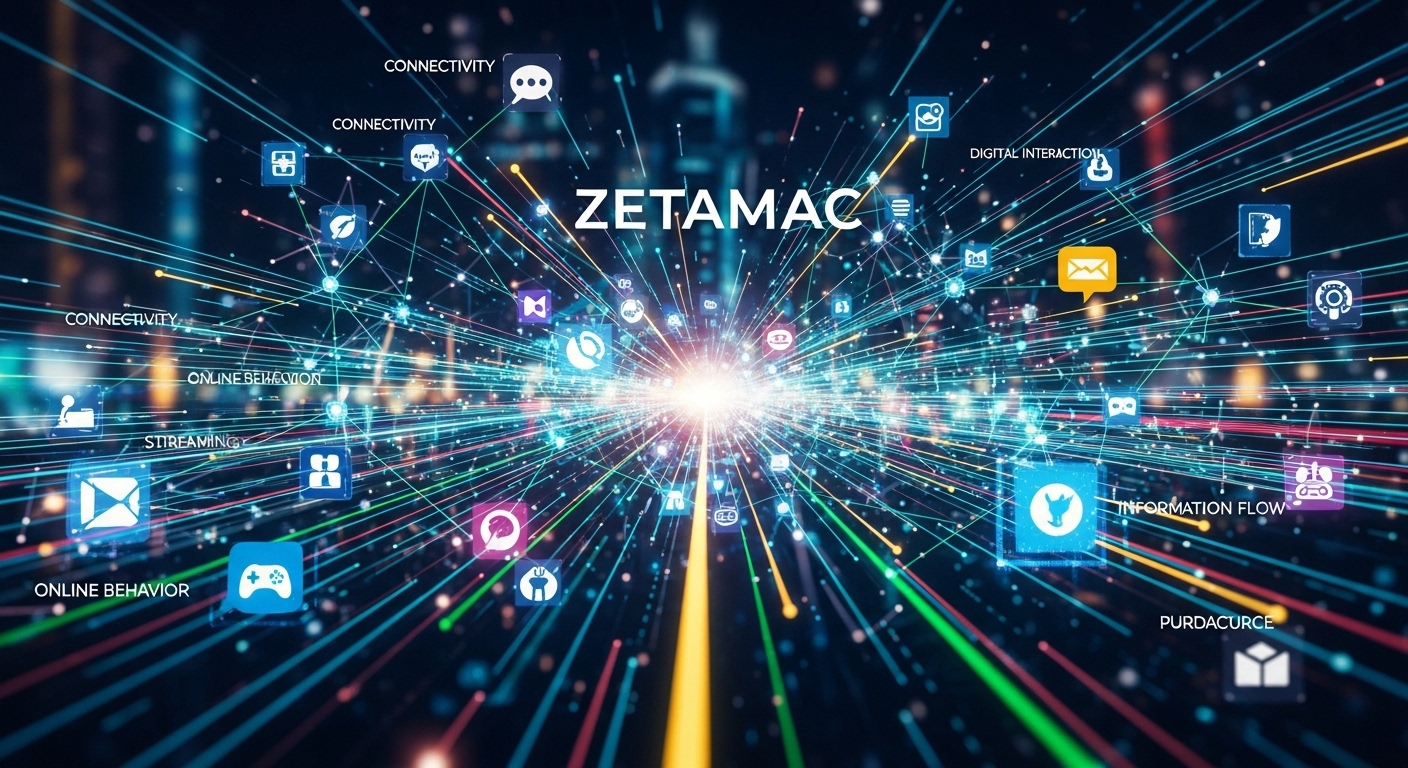
Zetamac is a contemporary digital concept that reflects how online interaction, community engagement, and platform-based communication are evolving in a connected world. As digital ecosystems grow increasingly complex, Zetamac represents a framework for understanding adaptive participation, user identity, and collaborative interaction across platforms. It highlights the ways individuals and communities influence and shape digital culture in real time.
What Is Zetamac?
Zetamac can be understood as a digital framework for structured and adaptive online interaction. Unlike static platforms, it emphasizes the fluidity of identity, context-aware communication, and community-driven engagement.
In broader terms, Zetamac represents:
- Adaptive online presence
- Multi-platform engagement
- Collaborative communication ecosystems
- Context-sensitive interaction
- Dynamic digital participation
This framework reflects the evolving nature of modern online spaces.
The Philosophy Behind Zetamac
The concept of Zetamac is built on three core principles:
Adaptive Participation
Users adjust their behavior, tone, and content depending on platform and audience context.
Fluid Identity
Digital personas are flexible, allowing individuals to express multiple facets of themselves across communities.
Collaborative Interaction
Online engagement thrives through co-created content, shared decision-making, and community-driven narratives.
Together, these principles define how Zetamac structures online engagement.
Zetamac in Online Interaction
Modern digital platforms encourage active participation and user-driven culture. Zetamac aligns with this evolution by supporting:
- Cross-platform communication
- Community-centered engagement
- Flexible identity expression
- Dynamic content creation
- Shared cultural and social experiences
These elements foster richer, more interactive online environments.
The Evolution of Zetamac
Zetamac reflects broader trends in digital interaction:
Early Online Spaces
Interaction was primarily text-based and limited in context.
Platform Expansion
Social media and forums introduced multi-modal engagement and identity diversity.
Adaptive Interaction
Zetamac represents a stage where users actively shape communities, narratives, and platform culture.
This progression illustrates the increasing complexity of online participation.
Why Zetamac Matters Today
Zetamac addresses critical aspects of digital life:
- Enhancing user engagement across platforms
- Supporting context-aware communication
- Encouraging co-creation of content and culture
- Managing multi-faceted digital identities
- Strengthening online community cohesion
It provides a conceptual framework for meaningful online participation.
Zetamac and Community Building
Communities shaped by Zetamac often demonstrate:
- Shared content creation
- Collaborative problem-solving
- Context-sensitive interaction norms
- Cross-platform cultural development
- Inclusive participation opportunities
These features strengthen digital networks and community culture.
The Future of Zetamac
As digital ecosystems continue to expand, Zetamac’s may influence:
- AI-assisted adaptive communication
- Multi-platform engagement dashboards
- Enhanced collaborative content systems
- Advanced identity management tools
- Dynamic community-building frameworks
These innovations will shape the next generation of online interaction.
Conclusion
Zetamac represents a modern digital concept shaping online interaction through adaptive participation, fluid identity, and collaborative engagement. By emphasizing community-driven and context-aware communication, it reflects the evolution of digital culture and user interaction. As online platforms continue to evolve, Zetamac’s provides a meaningful framework for understanding how individuals and communities interact, create, and influence the modern digital world.
FAQ’s
1. What is Zetamac’s ?
Zetamac is a conceptual framework describing adaptive, community-driven online interaction.
2. How does Zetamac influence digital identity?
It emphasizes flexible, context-aware personas across multiple platforms.
3. Why is Zetamac’s important today?
It helps users engage meaningfully in online communities while shaping culture collaboratively.
4. Who benefits from Zetamac’s ?
Online communities, content creators, platforms, and digital strategists.
5. Will Zetamac’s evolve over time?
Yes, as digital platforms grow, adaptive interaction and collaborative engagement will expand further.

Livystore is emerging as a modern digital concept that reflects how businesses and creators shape their presence in the experience-driven economy. As audiences increasingly value engagement, interaction, and personalized journeys over traditional transactions, Livystore represents a shift toward immersive digital identity, narrative-driven commerce, and community-focused participation. It emphasizes that digital presence is no longer just about visibility but about delivering meaningful experiences.
This article explores the meaning of Livystore, its philosophical foundation, and its role in redefining digital presence in the experience economy.
What Does Livystore Mean?
Livystore can be understood as a conceptual framework where digital presence blends commerce, storytelling, and engagement into a unified experience. The term highlights how brands and individuals create interactive environments that go beyond simple product listings.
In a broader sense, Livystore represents:
- Experience-driven digital presence
- Storytelling integrated with commerce
- Interactive and immersive engagement
- Community-centered brand identity
- Multi-platform experiential interaction
Rather than a static online store, Livystore promotes a dynamic environment that connects audiences through experience and narrative.
The Philosophy Behind Livystore
The concept of Livystore is built on three core principles:
Experience Over Transaction
Livystore emphasizes that audiences seek memorable interactions rather than simple purchases. Engagement becomes central to digital success.
Narrative-Driven Presence
Storytelling shapes how products, services, and identities are perceived. Livystore encourages consistent narratives that create emotional connection.
Community and Participation
Livystore highlights the importance of involving audiences through feedback, collaboration, and shared experiences.
Livystore in the Experience Economy
The experience economy values engagement, personalization, and interaction. Livystore aligns with this environment by promoting:
- Interactive product storytelling
- Live and immersive content experiences
- Cross-platform engagement strategies
- Personalized digital journeys
- Community-driven brand participation
This approach transforms digital presence into a living ecosystem of interaction.
The Evolution of Livystore
Livystore reflects the transformation of digital commerce:
Early Stage: Static Online Stores
Basic product listings with limited engagement.
Transitional Stage: Social Commerce
Integration of content, reviews, and interactive communication.
Modern Stage: Experience-Driven Platforms
Livystore represents a model where storytelling, engagement, and commerce merge.
Why Livystore Matters Today
Livystore addresses key challenges in modern digital markets:
- Oversaturation of online stores
- Lack of differentiation and engagement
- Short attention spans
- Need for meaningful brand relationships
By focusing on experience and narrative, Livystore’s helps create memorable and impactful digital presence.
Livystore and Content Creators
Content creators benefit from Livystore’s because it encourages:
- Story-driven product presentation
- Interactive live experiences
- Audience participation and feedback
- Creative brand-building strategies
This transforms commerce into a storytelling-driven engagement process.
Livystore and Community Engagement
Community is central to Livystore’s . It promotes:
- Collaborative product storytelling
- Feedback-driven experience design
- Shared brand narratives
- Interactive participation and loyalty
This participatory approach strengthens relationships and builds long-term engagement.
The Future of Livystore
As the experience economy grows, Livystore’s may influence:
- Immersive digital storefronts
- Live interactive commerce experiences
- Personalized AI-driven engagement
- Community-centered brand ecosystems
Its adaptable nature ensures continued relevance in evolving digital markets.
Conclusion
Livystore represents a modern approach to digital presence in the experience economy. By emphasizing engagement, storytelling, and community participation, it transforms online identity into an immersive and interactive experience. Livystore’s offers a meaningful framework for brands, creators, and organizations seeking to connect with audiences in a more impactful way.
FAQ’s
1. What is Livystore’s ?
Livystore’s is a digital concept focused on experience-driven presence and storytelling-based commerce.
2. How does Livystore’s differ from traditional online stores?
It emphasizes engagement, narrative, and interactive experiences rather than simple transactions.
3. Who can benefit from Livystore’s ?
Brands, content creators, entrepreneurs, and communities seeking meaningful digital engagement.
4. Is Livystore’s tied to a specific platform?
No, it applies across multiple digital ecosystems.
5. Why is Livystore’s relevant today?
Because the experience economy values interaction, personalization, and storytelling in digital presence.
-
 BLOG2 months ago
Exploring the Features and Benefits of автономер ру
-

 TECH2 months ago
Gaolozut253: A New Era of Innovation and Digital Transformation
-

 TECH2 months ago
Adovivo com Uncovered: Ultimate Breakdown of Its Best Features
-
 BLOG2 months ago
Discover the Secrets of Bbooru: Unlock Hidden Gems!
-

 BLOG2 months ago
Vera Davich: Life Story, History & Private Journey
-

 BLOG2 months ago
Nova Scola: Bridging Traditional Learning with Innovative Practices
-

 BLOG2 months ago
Portar Leisa: The Ultimate Mystery Explained
-
 BLOG2 months ago
Understanding Florncelol: Definition, Applications, and Benefits