
HEALTH
Cassasse: Unveiling the Culinary Delight


The word cassasse may be foreign to some, but it conceals a gastronomic treasure just waiting to be found. Discover the rich history, unusual ingredients, and culinary skill of Cassasse in this in-depth study. Come with us on a culinary adventure that knows no boundaries as we unveil the enchanting Cassasse universe.
Historical Roots of Cassasse
The origins of Cassasse can be traced back to ancient culinary traditions, where it held a significant place in cultural celebrations. Evolving over the years, it has become a staple in various cuisines, each region adding its touch to this culinary masterpiece.
Ingredients That Make Cassasse Unique
At the heart of Cassasse lies a symphony of ingredients, each contributing to its distinct flavor profile. From the essential basics to the more exotic components, the combination creates a culinary experience like no other.
Culinary Artistry: Making the Perfect Cassasse
Crafting the perfect Cassasse requires a careful balance of technique and creativity. In this section, we’ll guide you through the step-by-step process, offering insights and tips to ensure your Cassasse stands out in both taste and texture.
Regional Variations of Cassasse
Traveling from region to region, Cassasse undergoes fascinating transformations. Discover the unique twists and turns as different cultures and culinary traditions leave their mark on this delectable dish.
Health Benefits of Cassasse
Contrary to common belief, Cassasse isn’t just a treat for the taste buds; it also packs a nutritional punch. Uncover the health benefits that make Cassasse not only delightful but also a guilt-free indulgence.
Popular Cassasse Pairings
Enhance your Cassasse experience by exploring the perfect pairings. Whether it’s a complementary beverage or a side dish that elevates the flavors, we’ve got you covered.
Cassasse in Modern Cuisine
As culinary trends evolve, so does Cassasse. From fusion recipes to Instagram-worthy presentations, witness the modern-day makeover of this timeless dish.
Cassasse: A Feast for the Senses
Immerse yourself in the sensory journey of Cassasse’s . From the visual appeal to the tantalizing aroma and the explosion of flavors on the palate, Cassasse’s is truly a feast for all the senses.
Cassasse in Cultural Celebrations
Explore how Cassasse’s takes center stage in cultural celebrations, becoming more than just a dish but a symbol of tradition and festivity.
Expert Opinions on Cassasse
Gain insights from culinary experts who have mastered the art of Cas sasse. Their perspectives shed light on what makes this dish a unique and cherished culinary experience.
DIY Cassasse: Trying It at Home
Feeling adventurous? We encourage you to try your hand at making Cas sasse at home. Our user-friendly recipes and helpful tips will make the process enjoyable and rewarding.
Cassasse: An International Sensation
Beyond its place of origin, Cas sasse has transcended borders and become an international sensation. Discover how this culinary gem has captured the hearts and palates of food enthusiasts worldwide.
Common Mistakes to Avoid When Making Cassasse
Embarking on a culinary journey can be tricky, and Cas sasse is no exception. Learn from common mistakes to ensure your Cas sasse-making experience is smooth and successful.
Conclusion
More than just a meal, cassasse is an ode to diverse tastes, traditions, and cultures. Indulge in each bite as you set out on your Cas sasse journey and allow yourself to be swept away by a kaleidoscope of flavors.
FAQ’s
Is Cas sasse difficult to make at home?
Making Cas sasse at home is surprisingly simple with the right guidance. Our DIY section provides easy-to-follow recipes.
Can I substitute ingredients in Cas sasse recipes?
While some ingredients are essential, Cas sasse is versatile. Feel free to experiment with substitutions based on your preferences.
What beverages pair well with Cas sasse?
Cas sasse pairs well with a variety of beverages, including wine, tea, or a refreshing fruit-based drink. Explore the options to find your perfect match.
How can I avoid common mistakes when making Cas sasse?
Our article highlights common mistakes and offers tips to ensure a smooth Cas sasse-making experience. Pay attention to details and enjoy the process.
Is Cas sasse suitable for special dietary requirements?
Cas sasse can be adapted to different dietary needs. Explore ingredient variations to accommodate specific preferences or restrictions.
Jalbitehealth is a wellness-focused platform designed to guide individuals in creating a strong foundation for lifelong health. It emphasizes holistic approaches that combine physical fitness, nutrition, mental wellness, and preventive care to help users achieve sustainable well-being. The platform caters to people at all stages of life, providing resources and guidance tailored to individual needs.
What Is Jalbitehealth
Jalbitehealth offers a comprehensive approach to wellness, covering fitness routines, dietary guidance, mental health strategies, and lifestyle habits. The platform focuses on educating users about sustainable practices rather than quick fixes. By integrating multiple aspects of health, it helps individuals create long-term wellness strategies.
Key features include personalized wellness plans, nutrition recommendations, fitness guides, mental health support, and habit tracking tools. These features aim to empower users to take control of their health.
Why Lifelong Wellness Matters
Building a foundation for lifelong wellness is essential for preventing chronic diseases, improving quality of life, and enhancing longevity. Early adoption of healthy habits helps reduce the risk of obesity, heart disease, diabetes, and other lifestyle-related conditions. Consistent attention to wellness also promotes mental clarity, emotional balance, and physical strength.
Adopting a structured wellness plan ensures that progress is sustainable and benefits are cumulative over time. Small, consistent steps lead to significant long-term improvements in health.
Core Components of Jalbitehealth Programs
Physical Fitness
Physical activity is a cornerstone of wellness. Jalbitehealth promotes a balanced approach to fitness, including:
- Cardio: Activities like walking, running, cycling, and swimming improve heart health, endurance, and calorie burning.
- Strength Training: Resistance exercises build muscle, enhance metabolism, and strengthen bones.
- Flexibility and Mobility: Stretching routines and yoga improve range of motion and reduce the risk of injuries.
- Functional Training: Exercises mimicking daily activities improve strength, coordination, and overall movement efficiency.
Nutrition
Proper nutrition fuels the body and supports recovery. Jalbitehealth emphasizes:
- Balanced meals with appropriate macronutrients
- Adequate hydration
- Mindful eating practices
- Dietary adjustments tailored to fitness goals or health conditions
Mental Wellness
Mental and emotional health is a critical component of lifelong wellness. Jalbitehealth provides guidance on:
- Stress management techniques
- Mindfulness and meditation practices
- Work-life balance strategies
- Cognitive exercises to improve focus and memory
Preventive Health
Preventive care reduces the risk of long-term health issues. The platform encourages:
- Regular health screenings and check-ups
- Monitoring key health markers
- Early detection and intervention for potential health problems
- Educating users on lifestyle choices that support overall wellness
How to Build Your Wellness Foundation with Jalbitehealth
Step 1: Assess Your Current Health
Understand your physical, mental, and nutritional baseline. This includes fitness level, dietary habits, and stress levels. A clear understanding of your starting point helps in designing a realistic plan.
Step 2: Set Clear Wellness Goals
Define specific objectives such as weight management, increased strength, improved mental health, or better dietary habits. Goal setting creates direction and motivation.
Step 3: Create a Balanced Routine
Combine physical activity, proper nutrition, mental wellness practices, and preventive health measures. For example:
- 3–4 days of strength training
- 2–3 cardio sessions
- Daily mindfulness or meditation
- Balanced diet with nutrient-rich foods
Step 4: Monitor Progress
Track fitness improvements, dietary adherence, and mental wellness markers. Adjust the routine based on results to maintain steady progress.
Step 5: Focus on Consistency
Lifelong wellness requires sustainable habits. Consistency in workouts, healthy eating, stress management, and preventive care ensures long-term benefits.
Sample Wellness Plans
Weight Management Plan
- Cardio sessions 3–4 times per week
- Moderate strength training 2–3 times per week
- Nutrition focused on calorie balance and nutrient-dense foods
Muscle and Strength Plan
- Strength training 4–5 times per week
- Limited cardio for recovery and endurance
- Protein-rich diet to support muscle growth
Holistic Wellness Plan
- Combination of cardio, strength, and flexibility exercises
- Mindfulness and stress management practices
- Balanced diet with emphasis on whole foods
- Routine preventive health monitoring
Benefits of Using Jalbitehealth
- Comprehensive wellness guidance across multiple dimensions
- Personalized plans tailored to goals and lifestyle
- Evidence-based strategies for sustainable health improvements
- Focus on preventive care and long-term results
Tips for Effective Wellness Building
- Start gradually and avoid overexertion
- Maintain consistent routines across fitness, diet, and mental wellness
- Prioritize proper sleep and recovery
- Use tracking tools to monitor progress and adjust plans
- Seek professional guidance when necessary
Frequently Asked Questions
What is Jalbitehealth
Jalbitehealth is a platform that guides individuals in building sustainable wellness routines across fitness, nutrition, mental health, and preventive care.
Who can benefit from Jalbitehealth
It is suitable for individuals of all ages and fitness levels who want to improve overall health and build long-term wellness habits.
Does it include nutrition guidance
Yes, the platform provides detailed nutrition recommendations to support health and fitness goals.
How often should I exercise
Most wellness plans recommend 3–5 days of combined physical activity per week, depending on your goals.
Can Jalbitehealth help with mental health
Yes, the platform emphasizes mindfulness, stress management, and cognitive wellness practices.
Conclusion
Jalbitehealth offers a comprehensive approach to building a foundation for lifelong wellness. By integrating fitness, nutrition, mental health, and preventive care into a consistent routine, individuals can achieve sustainable improvements in health. Following a structured, balanced plan helps create habits that promote long-term vitality and overall well-being.
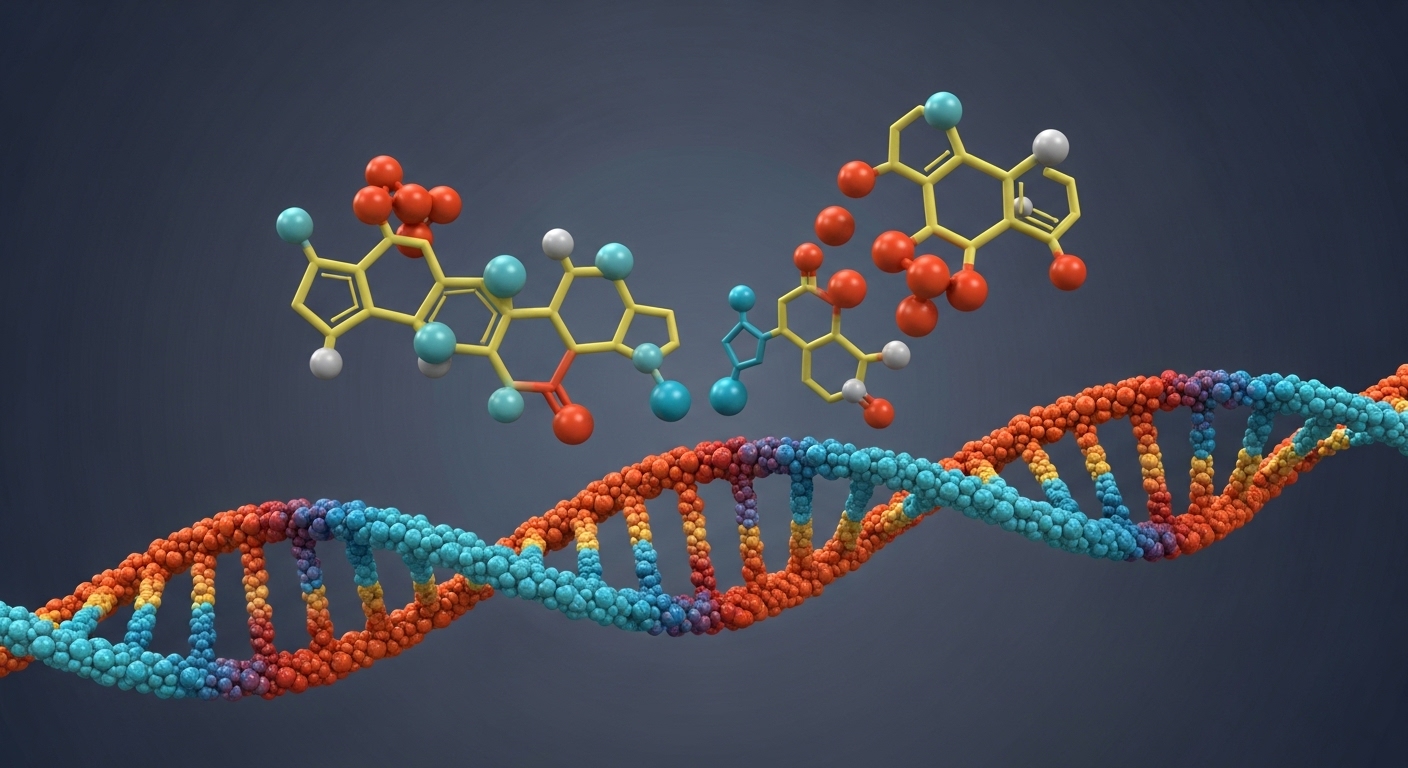
Nucleotides are the biochemical units that make life possible. They store genetic information, power cellular metabolism, regulate signaling networks, and serve as the foundation of modern molecular medicine. Every cell division, muscle contraction, neural impulse, and immune response depends on nucleotide chemistry. Their biological influence spans from molecular evolution to gene editing technologies.
This guide provides a complete, research-level synthesis of nucleotide biology, metabolism, disease relevance, and biomedical applications.
What is Nucleotides?
A nucleotide is composed of three components:
- A nitrogenous base
- A pentose sugar (ribose or deoxyribose)
- One to three phosphate groups
The sugar and base form a nucleoside. Addition of phosphate creates a nucleotide. Phosphate groups attach at the 5′ carbon of the sugar, enabling polymerization via 3′–5′ phosphodiester bonds.
This directional linkage creates nucleic acid strands with polarity (5′ → 3′ orientation), a fundamental property required for replication and transcription fidelity.
Even slight structural modifications—such as removal of the 2′-OH group in deoxyribose—dramatically increase molecular stability. This explains why DNA is suited for long-term information storage, while RNA is more reactive and regulatory.
Nitrogenous Bases: Structural Chemistry and Pairing Fidelity
Nitrogenous bases determine information encoding and molecular recognition.
Purines (Double Ring Structure)
- Adenine (A)
- Guanine (G)
Pyrimidines (Single Ring Structure)
- Cytosine (C)
- Thymine (T)
- Uracil (U)
In DNA:
- A pairs with T (2 hydrogen bonds)
- G pairs with C (3 hydrogen bonds)
The triple hydrogen bonding between G and C increases thermal stability. Genomic regions rich in GC content have higher melting temperatures, influencing replication and transcription dynamics.
DNA polymerase replication fidelity is extraordinarily high—error rates are approximately 1 in 10⁹–10¹⁰ nucleotides after proofreading. This precision depends entirely on correct base pairing.
Polymer Formation and DNA/RNA Structural Stability
Nucleotides polymerize into polynucleotide chains. The sugar-phosphate backbone forms the structural scaffold, while bases project inward to encode information.
DNA forms a double helix stabilized by:
- Hydrogen bonding
- Base stacking interactions
- Electrostatic stabilization
RNA is usually single-stranded but folds into complex secondary structures (hairpins, loops, pseudoknots), allowing catalytic and regulatory functions.
Structural variation enables biological diversity without altering chemical fundamentals.
Nucleotides as Energy Molecules: ATP Turnover and Bioenergetics
Adenosine triphosphate (ATP) is the central energy carrier of the cell.
Key quantitative insight:
- Hydrolysis of ATP → ADP releases ~30.5 kJ/mol under standard conditions.
- A resting human turns over approximately their entire body weight in ATP daily.
ATP powers:
- Ion gradients (Na⁺/K⁺ pumps)
- Muscle contraction (myosin cycling)
- Biosynthesis
- Vesicle trafficking
Other nucleoside triphosphates:
- GTP drives translation and microtubule dynamics.
- CTP participates in phospholipid synthesis.
- UTP supports glycogen metabolism.
Energy metabolism is fundamentally nucleotide metabolism.
Cell Signaling and Regulatory Networks
Nucleotides act as intracellular messengers.
Cyclic AMP (cAMP):
- Activates protein kinase A
- Regulates glucose metabolism
- Modulates gene transcription
Cyclic GMP (cGMP):
- Regulates vascular tone
- Involved in phototransduction
Nucleotide-derived cofactors:
- NAD⁺ and FAD function in mitochondrial oxidative phosphorylation.
- NAD⁺ levels influence aging-related pathways and sirtuin activity.
Thus, nucleotides coordinate metabolism, gene regulation, and cellular adaptation.
Nucleotide Metabolism: De Novo and Salvage Pathways
Cells synthesize nucleotides via:
De Novo Synthesis
Constructs bases from:
- Amino acids (glycine, glutamine, aspartate)
- CO₂
- Ribose-5-phosphate
Purine synthesis consumes significant ATP, making it energetically expensive.
Salvage Pathway
Recycles free bases using enzymes such as:
- HGPRT (hypoxanthine-guanine phosphoribosyltransferase)
Defects in salvage enzymes can cause severe metabolic disorders.
Balanced nucleotide pools are essential. Imbalance increases mutation rates and genomic instability.
Nucleotide Dysregulation and Disease Mechanisms
Abnormal nucleotide metabolism contributes to disease.
Gout
Excess purine breakdown increases uric acid, leading to crystal deposition in joints.
Cancer
Rapidly dividing cancer cells upregulate nucleotide synthesis pathways. Many chemotherapeutics target enzymes like thymidylate synthase to disrupt DNA synthesis.
Genetic Disorders
Deficiencies in nucleotide metabolism enzymes can impair immune function and neurological development.
Because DNA replication depends on precise nucleotide ratios, imbalance can cause replication stress and mutation accumulation.
Nucleotides and the Immune System
Immune activation requires massive nucleotide synthesis for clonal expansion of lymphocytes.
High-demand conditions:
- Infection
- Tissue injury
- Chronic inflammation
Nucleotide availability influences:
- Antibody production
- Cytokine signaling
- T-cell proliferation
Rapidly dividing immune cells are particularly sensitive to disruptions in nucleotide pools.
Gut Health and Tissue Regeneration
The gastrointestinal epithelium is one of the most rapidly renewing tissues in the human body, with cellular turnover occurring approximately every three to five days. This intense regenerative demand requires continuous DNA replication and RNA synthesis, processes fundamentally dependent on nucleotide availability. Adequate nucleotide pools support epithelial repair, maintain tight junction integrity, and reinforce mucosal barrier function. During inflammation, infection, or metabolic stress, nucleotide demand increases substantially. Efficient synthesis and salvage pathways therefore play a decisive role in preserving intestinal resilience and promoting optimal tissue regeneration.
Nucleotide Analogues in Medicine
Synthetic nucleotide analogues revolutionized medicine.
Antiviral therapies:
- Incorporate faulty nucleotides into viral DNA/RNA, halting replication.
Cancer therapies:
- Inhibit nucleotide synthesis enzymes.
- Disrupt DNA replication in tumor cells.
mRNA-based therapeutics:
- Use modified nucleotides to improve stability and reduce immune overactivation.
Modern precision medicine depends on nucleotide chemistry.
Evolutionary Perspective: Origin of Nucleotides
From an evolutionary standpoint, nucleotides are believed to have emerged under prebiotic Earth conditions, forming the biochemical foundation for early self-replicating systems. The RNA world hypothesis proposes that ribonucleotides preceded DNA and proteins, functioning both as information carriers and catalytic molecules. Ribozymes—RNA molecules capable of enzymatic activity—demonstrate this dual capacity. The transition from RNA-based systems to DNA-protein biology reflects a progression toward increased stability and specialization. This evolutionary continuity underscores the central role of nucleotides in the origin, diversification, and persistence of life on Earth.
Synthetic Biology and Gene Editing
CRISPR gene editing relies on nucleotide-guided RNA sequences to target specific DNA regions.
DNA sequencing decodes billions of nucleotides to identify mutations.
Synthetic genomes are built nucleotide by nucleotide.
Modern biotechnology operates at the nucleotide level.
Mitochondrial Nucleotide Pools and Aging
Mitochondria maintain independent nucleotide pools for their DNA replication.
Decline in NAD⁺ levels has been associated with:
- Reduced mitochondrial efficiency
- Altered metabolic signaling
- Age-related cellular decline
Maintaining nucleotide balance is increasingly studied in longevity research.
Conclusion
Nucleotides represent the ultimate molecular currency of biological systems. They store genetic information with extraordinary precision, drive cellular energy transfer through ATP hydrolysis, regulate metabolic and signaling networks, and sustain replication fidelity across generations. Every biochemical transaction inside a living cell—whether it involves gene expression, membrane transport, or immune activation—depends on controlled nucleotide availability and balance. Their structural elegance and functional versatility position them at the core of molecular biology, medicine, and biotechnology. To understand nucleotides is to understand the operational logic of life itself.
FAQ’s
Q. Why are nucleotides essential for life?
Because they store genetic information, power metabolism, and regulate cellular signaling.
Q. How many ATP molecules does a human use daily?
An adult synthesizes and consumes roughly their body weight in ATP each day.
Q. What happens if nucleotide balance is disrupted?
Imbalance can cause genomic instability, immune dysfunction, or proliferative disorders.
Q. Are nucleotides involved in aging?
Yes. Molecules like NAD⁺ influence metabolic regulation and age-related cellular processes.
Q. Why are nucleotide analogues used in medicine?
They interfere with replication in viruses and cancer cells, making them powerful therapeutic agents.
You’ve probably seen those annoying ads on TV lately for some new heartburn drug called ulcuprazol. Big Pharma is always trying to push the latest and greatest pills, but are they really all they’re cracked up to be? In this quick article, we’ll break down everything you need to know about this hyped-up medication. What is it, what does it do, what are the side effects? And most importantly, do you actually need it or is it just another overpriced shortcut that isn’t addressing the root cause? We’ve done the homework for you, so keep reading to get the real scoop on ulcuprazol.
What Is Ulcuprazol?
Ulcuprazol is a prescription medication used to treat ulcers in the stomach and upper intestine. It works by reducing stomach acid which helps ulcers heal and prevents them from coming back.
The generic name for Ulcuprazol is omeprazole. It belongs to a class of drugs called proton pump inhibitors (PPIs) that block acid production in the stomach. Ulcuprazol comes in delayed-release capsules and oral suspension packets to be taken once a day, usually in the morning before eating.
You’ll typically start with a higher dose for a few weeks as your body adjusts, then switch to a lower maintenance dose. The most common side effects are headache, diarrhea, and abdominal pain. Rare but serious side effects can include vitamin B12 deficiency, severe stomach inflammation, and kidney problems.
Ulcuprazol provides relief from the gnawing pain, indigestion, and nausea of ulcers. But ulcers can recur, so you may need additional courses of treatment. Some people take Ulcuprazol long-term to prevent ulcers from coming back. However, long-term PPI use may increase risks for bone loss, infections, and dementia, so the lowest effective dose should be used.
Talk to your doctor about how long you’ll need to take Ulcuprazol and if you’re a candidate for any alternative treatments. Lifestyle changes like diet, exercise and stress reduction can also help promote ulcer healing and prevent recurrence. The key is finding the right balance of medication and self-care for you.
How Does Ulcuprazol Work?
Ulcuprazol works by reducing stomach acid to relieve symptoms like heartburn, indigestion, and sour stomach. It contains ulcuprazol base, which inhibits the production of stomach acid.
When you take ulcuprazol, the active ingredient is released into your stomach. It works by blocking the acid pumps in your stomach cells known as H+/K+ ATPase pumps. These pumps are responsible for releasing stomach acid. By blocking them, ulcuprazol reduces the amount of acid in your stomach.
Less stomach acid means less irritation of the stomach lining and esophagus. This can relieve painful symptoms like heartburn, indigestion, and sour stomach. The effects start working within an hour and can last up to 24 hours per dose.
Ulcuprazol comes in delayed-release capsules or tablets that pass through the stomach and release the medication in the small intestine. This allows for absorption into the bloodstream without being degraded by stomach acid. The most common side effects are diarrhea, abdominal pain, nausea, and headache.
To get the most out of ulcuprazol:
- Take it as directed, usually once a day with or without food.
- Do not chew or crush the capsules. Swallow them whole.
- Allow up to 4 days of use to experience full effect.
- See your doctor if symptoms worsen or persist for more than 14 days.
- Get medical help immediately if you experience signs of an allergic reaction.
By following the instructions and giving ulcuprazol a chance to work, you’ll be well on your way to relief from uncomfortable stomach issues and enjoying meals again. Let the healing begin!
Ulcuprazol Dosage and Administration
The typical dosage of Ulcuprazol depends on the condition being treated. The medication comes in delayed-release capsule and tablet forms that should be taken whole and not crushed or chewed. Follow the directions on your prescription label carefully.
For peptic ulcer disease or acid reflux, the usual dosage is one 20 mg delayed-release capsule or tablet once or twice daily before eating. You may need to take Ulcuprazol for 4 to 8 weeks to treat ulcers and up to 6 months for persistent heartburn.
To prevent ulcers caused by NSAIDs, the standard dosage is one 20 mg delayed-release capsule or tablet once daily. You should start taking Ulcuprazol 2 weeks before beginning NSAID therapy and continue for the duration of NSAID treatment and 2 weeks after stopping.
For Zollinger-Ellison syndrome, the starting dosage is usually 60 mg once daily, which can be adjusted based on your needs and response. Doses up to 120 mg three times a day may be required to control stomach acid secretion.
- Take Ulcuprazol at least 30 minutes before eating for the best absorption.
- Swallow capsules and tablets whole; do not crush, break or chew.
- If you have trouble swallowing the capsules, you can open them and sprinkle the contents on a spoonful of soft food like pudding or yogurt. Swallow the mixture right away without chewing.
- Do not stop taking Ulcuprazol suddenly unless directed by your doctor, as this can increase your risk of stomach acid problems.
- See your doctor regularly while taking Ulcuprazol long-term. You may need blood tests and other monitoring.
- Call your doctor if your symptoms do not improve or if they get worse while taking Ulcuprazol.
By following your doctor’s instructions carefully and taking Ulcuprazol as prescribed, you can experience relief from uncomfortable and painful stomach acid conditions. Be sure to let your doctor know if you have any bothersome side effects so the dosage or medication can be adjusted. With time and treatment, you can get your symptoms under control and heal.
Potential Side Effects of Ulcuprazol
As with any medication, Ulcuprazol may cause unwanted side effects in some people. The most common side effects tend to be mild, but some can be serious. Be aware of both the common and severe side effects so you know what to expect and can get medical help right away if needed.
Some of the most frequent side effects of Ulcuprazol include:
- Nausea and diarrhea. These tend to be temporary as your body adjusts to the medication. Eating bland, easy-to-digest foods may help reduce discomfort.
- Headache and dizziness. Drink plenty of water and rest to alleviate these side effects.
- Skin rash. Mild rashes may go away on their own, but see your doctor if the rash is severe or gets worse. You may need to switch to a different medication.
Rare but severe side effects can also occur. Seek medical care immediately if you experience:
- Persistent diarrhea or vomiting. This can lead to dehydration and electrolyte imbalance.
- Signs of an allergic reaction: swelling of the face, lips, tongue, or throat; trouble breathing; hives; or a fast heartbeat.
- Chest pain. This can indicate a heart problem and requires emergency care.
- Jaundice or yellowing of the skin. This signals a liver problem and you need to see your doctor right away.
- Problems with vision or eye pain. Ulcuprazol may rarely cause vision issues that need treatment.
To minimize side effects, take Ulcuprazol exactly as prescribed. Never stop taking it or change your dose without talking to your doctor first. They may be able to adjust the dosage or switch you to an alternative treatment if needed. Be sure to tell your doctor about any side effects you experience with Ulcuprazol so the benefits and risks can be properly evaluated based on your condition and medical history.
Conclusion
So there you have it – the lowdown on ulcuprazol. While it can be an effective treatment for some, it’s not without its risks. Weigh up the pros and cons with your doctor if it’s recommended to you. And be sure to report any side effects you experience right away. The guidelines around taking ulcuprazol will hopefully become clearer as more research is done. For now, educate yourself on the facts so you can make the best choice for your situation. Trust your gut too – you know your body better than anyone. Hopefully this gives you a good starting point to have an informed discussion with your healthcare provider.
-

 BLOG2 months ago
Exploring the Features and Benefits of автономер ру
-

 TECH2 months ago
Gaolozut253: A New Era of Innovation and Digital Transformation
-
 TECH2 months ago
Adovivo com Uncovered: Ultimate Breakdown of Its Best Features
-

 BLOG2 months ago
Discover the Secrets of Bbooru: Unlock Hidden Gems!
-

 BLOG2 months ago
Vera Davich: Life Story, History & Private Journey
-

 BLOG2 months ago
Nova Scola: Bridging Traditional Learning with Innovative Practices
-

 BLOG3 months ago
Understanding Florncelol: Definition, Applications, and Benefits
-

 HOME2 months ago
Cherrysakura: The Beauty, Culture, and Symbolism of Japan